
Composite fillings and silver amalgam fillings can both restore teeth effectively, but they suit different priorities. Composite fillings are the more aesthetic choice and are now the standard option for many tooth fillings for Hamilton patients, while amalgam fillings still have a role in some situations where strength and cost matter.
Choosing between white fillings vs silver amalgam is not just about colour. It involves the size and location of the cavity, your bite, your budget, your cosmetic goals and the condition of the tooth around the decay. At Hamilton Dental Centre, the decision is made after a full diagnostic assessment, so your filling supports both the health and function of the tooth.
Types of dental fillings explained
Dental fillings are a core part of restorative dentistry. They are used to repair teeth that have been damaged by decay, wear, small fractures or old fillings that need replacement. The main goal is to remove the damaged area and restore the tooth so it can chew, withstand biting forces and remain healthy for as long as possible.
Today, the two most commonly discussed filling materials are composite resins and amalgam. Composite fillings are tooth-coloured and designed to blend in with the surrounding enamel. Amalgam fillings are the traditional silver option, made from a mixture of metals and known for their long history of use in back teeth.
Composite fillings: benefits and durability
Composite fillings are made from advanced resin materials that are matched closely to the shade of your teeth. They are bonded directly to the tooth, which means they can be used conservatively and often preserve more natural tooth structure than older styles of restoration.
One of the biggest benefits of composite fillings is versatility. They can be placed in front teeth and back teeth, used for small and moderate cavities, and shaped carefully to match the natural contour of the tooth. That makes them particularly popular for patients who want a restoration that does not stand out when they smile or laugh.
Composite materials have improved significantly over the years. Modern composite resins are stronger and more wear resistant than earlier generations, which means they can perform well in many chewing situations when placed correctly and maintained well. They are not completely maintenance-free, though. Over time, composites may stain, chip or wear, especially if you grind your teeth or eat very hard foods often.
Even so, for many patients, composite fillings provide an excellent balance of strength, appearance and conservation of tooth structure. For everyday tooth fillings, Hamilton patients often prefer them because they feel more natural and are easier to incorporate into the look of the smile.
Amalgam fillings: traditional option
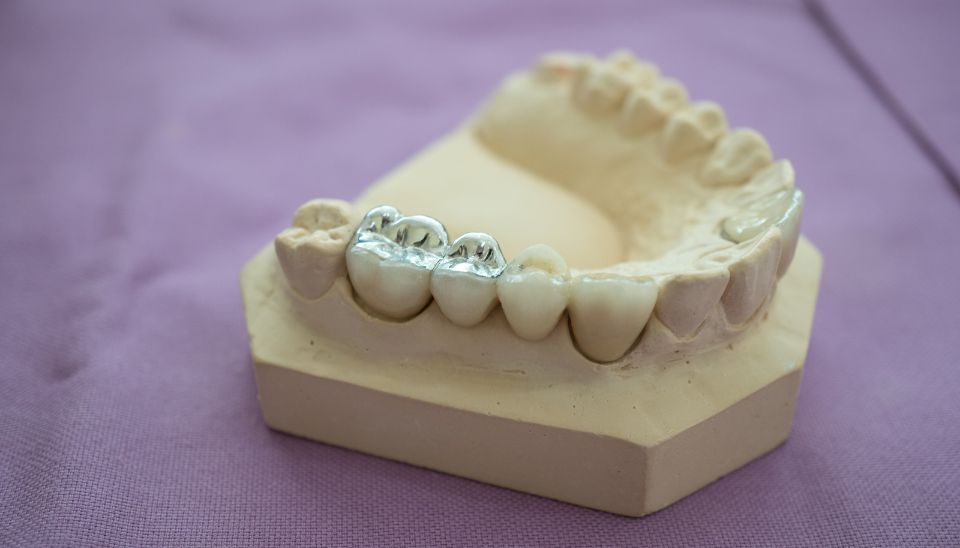
Amalgam fillings have been used for well over a century and remain known for their durability, especially in large back-tooth restorations. They are typically less technique-sensitive than composite, which has historically made them appealing in situations where moisture control is challenging.
Because amalgam is metallic, it is visually obvious when you smile or open your mouth. For some patients, this is not a concern. For others, especially those who are considering the appearance of the tooth and the overall look of their smile, the silver colour is a significant drawback.
Amalgam can still be a practical option in certain clinical situations. It is generally strong, tends to tolerate heavy biting forces well and can sometimes be more economical up front than a composite restoration. That said, the choice must still be based on the tooth, the cavity size, the bite and your personal preferences.
Aesthetic advantages of composite fillings
The aesthetic advantage of composite fillings is one of the clearest reasons they are so widely used today. Because they can be matched to tooth colour, they are far less noticeable than amalgam and are especially helpful in visible areas of the mouth.
This matters in two ways. First, the filling itself is less obvious. Second, the dentist can shape the restoration so it supports the natural look of the tooth, rather than creating a blocky or darkened area that stands out near the gumline or biting edge.
For patients who care about smile appearance, composite fillings are often the better choice even when the cavity is not in a highly visible position. Many people dislike the idea of seeing a silver patch every time they open their mouth, and composites solve that problem very effectively.
Aesthetic considerations are not only for cosmetic dentistry cases. Even in routine restorative dentistry, the visual result can affect confidence. That is why composite fillings are now the default choice for many modern clinicians when the tooth and situation allow it.
Longevity and maintenance
A common question is whether composite fillings last as long as amalgam. The honest answer is that both can last a long time, but their longevity depends on the cavity size, tooth position, bite pressure, oral hygiene and how the filling was placed.
Amalgam has a reputation for durability in back teeth, particularly where there are heavy chewing loads. Composite fillings, on the other hand, have become much more durable than they used to be and can last many years when properly bonded and maintained.
Neither material is immune to wear. Composite can chip or stain, while amalgam can eventually crack the tooth around it if very large amounts of tooth structure are missing or if the tooth is under major biting stress. Fillings of either type may need replacement if new decay develops around the edges, the tooth fractures or the restoration becomes worn.
Regular reviews are important because fillings are not “fit and forget” treatments. Hamilton Dental Centre uses diagnostic checks and preventive care to monitor restorations, spot small problems early and avoid more invasive treatment later. That is often the difference between a simple repair and a much larger future restoration.
Cost comparison
Cost is an important part of the decision, especially for families or patients needing multiple fillings. In general, composite fillings may cost a little more than amalgam because the material is more technique-sensitive and the placement process can take longer.
Amalgam has often been seen as the budget-conscious option, particularly for larger back teeth, while composite offers more aesthetic value. But price alone should not drive the decision. A slightly more expensive filling that preserves more tooth structure and blends in better may be better value over the long term, especially if it helps avoid replacement for appearance reasons.
When comparing costs, it is useful to think beyond the initial appointment fee. Consider durability, appearance, maintenance and the possibility of future replacement. A filling that needs to be redone sooner or affects confidence every time you smile may end up feeling like poorer value than a more polished restoration from the start.
Safety concerns addressed; mercury misconceptions
Amalgam safety has been debated for years, largely because it contains mercury as part of a stable alloy. This has led to a lot of confusion online. The important point is that amalgam fillings have been studied extensively and have been considered safe by many major dental and public health bodies when used appropriately.
That said, public concern about mercury has influenced dentistry in many countries, and many practices now use composite as the preferred material when suitable. For patients who prefer to avoid metal in their mouths, composite is a very reassuring alternative.
It is also worth understanding that the real-world issue is not simply whether amalgam contains mercury, but whether the filling is appropriate for the tooth and whether it supports long term oral health. Some countries have also moved toward reducing amalgam use over time for environmental and aesthetic reasons.
At Hamilton Dental Centre, amalgam fillings safety questions are handled openly during consultation. If a patient wants a non-metal option and the tooth is suitable, composite may be recommended. If a very large back tooth needs strong restoration and amalgam is clinically reasonable, the pros and cons are discussed clearly.
Tooth preparation and procedure

The procedure for either type of filling usually begins with an examination and diagnostic assessment. This can include looking at the tooth clinically, reviewing X rays and deciding how much decay needs to be removed.
The area is then numbed if needed. The decay is removed, the tooth is cleaned and the cavity is shaped so the filling material can bond or lock in securely. For composite fillings, the tooth is kept as dry as possible because bonding works best in a controlled environment. The resin is placed in layers, shaped and hardened with a curing light.
For amalgam, the cavity is prepared slightly differently because the material is condensed into place and then shaped to the tooth. The final result is polished and checked against your bite so the filling feels comfortable when you chew.
A major difference between the two materials is the placement approach. Composite placement is more technique-sensitive and benefits from meticulous moisture control, which is one reason the dentist’s skill and the clinic environment matter so much. That is especially true when treatment is part of a broader preventive plan rather than just an emergency repair.
When each type is appropriate
Composite fillings are usually ideal when the tooth is visible, the cavity is small to moderate, or the patient wants the best aesthetic match possible. They are also a strong option for patients who want a metal-free restoration.
Amalgam may still be considered when the cavity is very large, the tooth is deep in the back of the mouth and the clinical situation favours a material that is easy to place and very robust under chewing pressure. In some cases, it may also be an option where cost is a major concern.
The right choice depends on the tooth, not just the material. A back molar under heavy bite load may need a different solution from a front tooth with a small cavity near the edge. That is why a proper diagnostic assessment is so important before deciding.
Why Hamilton Dental Centre’s clinical experience matters
Choosing between composite fillings and amalgam is not just about material preference. It ‘s about diagnosis, tooth preservation and selecting the restoration that will perform best for the specific tooth in front of you. At Hamilton Dental Centre, Dr Dave Blom and Dr Bashar Humadi bring a depth of restorative experience that helps patients make that decision with confidence.
Dr Dave Blom and Dr Bashar Humadi combine modern diagnostic planning with practical restorative dentistry experience, allowing us to recommend the most appropriate filling material for each tooth rather than defaulting to a one-size-fits-all approach. Their focus is on preserving healthy tooth structure, restoring function and achieving results that look natural, last well and fit the patient’s long-term oral health goals. For more about our clinicians and practice philosophy, visit our About Us page.
This matters because the long-term success of a filling depends not only on the material, but also on the operator’s skill, the tooth’s position, the number of surfaces involved and the patient’s home care. Recent systematic reviews show that technique and patient factors can influence longevity as much as, or more than, the choice between composite and amalgam in many cases.
Hamilton Dental Centre’s filling options
Hamilton Dental Centre offers tooth fillings that Hamilton patients can rely on for both health and appearance. The practice focuses on restorative dentistry that does more than plug a hole. It aims to preserve tooth structure, restore normal chewing and help prevent future decay through better diagnostics and prevention.
A key point of differentiation is that the practice does not assume one filling type fits every patient. Instead, it assesses the tooth, your cosmetic preferences, your bite and your long term needs before recommending the best restoration. That is the kind of individualised approach that makes a real difference over time.
Schedule your filling consultation
If you have a cavity, an old restoration that needs review, or you are simply wondering whether composite fillings or amalgam is the right choice for you, the next step is a consultation. A proper assessment will give you a clear diagnosis, an explanation of the options and a recommended plan based on your tooth, not a one-size-fits-all answer.
Contact Hamilton Dental Centre to schedule your filling consultation and find out which restoration best suits your smile, budget and long term oral health goals.
FAQs: composite fillings and silver amalgam
Are composite fillings better than amalgam fillings?
Not always. Composite fillings are usually better for aesthetics and conservative tooth preparation, while amalgam can still be a strong option for some back teeth. The best choice depends on the tooth and your priorities.
How long do composite fillings last?
With good placement and maintenance, composite fillings can last many years. Their lifespan depends on cavity size, bite forces, oral hygiene and habits like clenching or grinding.
Are amalgam fillings unsafe because they contain mercury?
Amalgam safety concerns are common, but long standing research has generally found amalgam to be safe when used appropriately. Many patients still prefer composite for cosmetic or personal reasons.
Can old silver fillings be replaced with white fillings?
Yes, in many cases. If the tooth is suitable and there is enough healthy structure, old amalgam fillings can often be replaced with composite. Your dentist will first check whether replacement is actually necessary.
Do white fillings cost more?
They often cost a little more than amalgam because they take more time and are more technique-sensitive. Many patients feel the visual benefit and conservative tooth preparation make them worthwhile.
Related Reading

Site map
Services
Contact Us
T: 07 854 8905
E: info@thehdc.co.nz
3/111 Thomas Road,
Rototuna, Hamilton
copyright © 2025 Hamilton Dental Centre | Credit Terms | Web development by Digital Hothouse