School holidays are a great time to protect kids’ dental health because you have more flexibility to reset routines, book check-ups, and catch small problems before school starts again. The biggest wins come from keeping children’s oral hygiene simple and consistent, limiting sugary snacks, staying hydrated, and using the break to book preventive care and a professional clean when needed.
School holidays can be wonderful for family time, but they can also be a hidden challenge for cavity prevention. Routine often slips, snack frequency goes up, hydration habits change and active play can lead to dental injuries, so a little planning makes a big difference. For families focused on school holidays dental care, this is one of the best times of year to get ahead of problems rather than reacting once school term returns.
Why holidays affect oral health
The school routine naturally supports dental hygiene because meals, bedtime and brushing times are more predictable. During holidays, children may stay up later, graze more often, and spend more time on outings, travel or sports where normal habits are easier to forget. That matters because tooth decay risk is influenced not just by how much sugar a child eats, but also by how often they snack and whether their teeth get time to recover between exposures.
Paediatric dentistry and preventive care both work best when the family rhythm is stable. The good news is that holiday breaks give parents an opportunity to reset the pattern, book routine appointments and address concerns before they become urgent. Our supporting articles on a parent’s guide to kids’ first dental visits, first dental appointments for kids and oral health for kids are helpful companions if you want some additional info on children’s oral health across the year.
Keeping routine during breaks
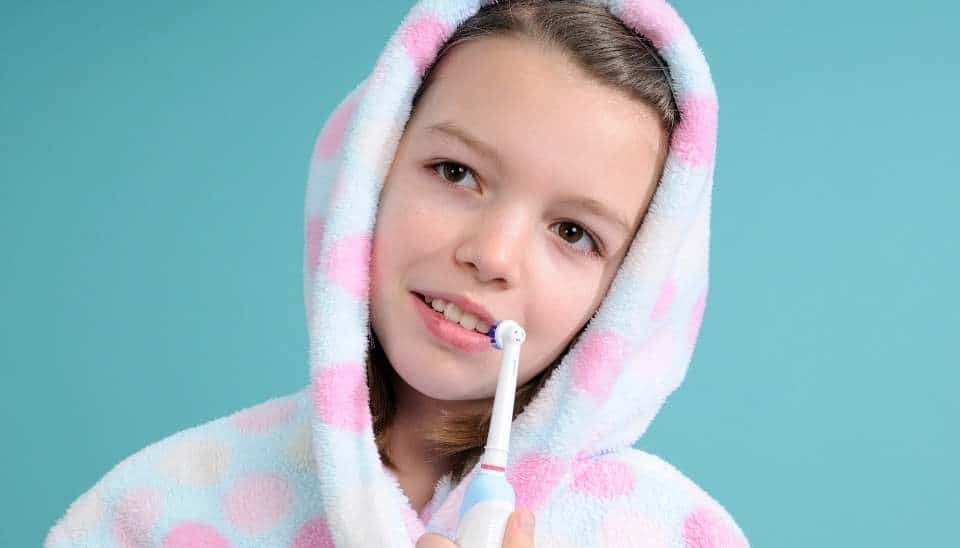
The most effective way to protect kids’ dental health during school holidays is to keep the core routine intact. Brushing twice a day with fluoride toothpaste should still happen, even if bedtime shifts later or the family is travelling. If your child is old enough to brush independently, holidays are a useful time to check their technique and make sure they are reaching the back teeth and along the gumline.
A simple holiday rule can help: brush before breakfast and before bed, or at the very least before going to sleep if mornings get chaotic. If your child uses a mouthguard for sport or has orthodontic appliances, that routine should also continue without interruption. Consistency matters because children’s oral hygiene is built on repetition, not perfection.
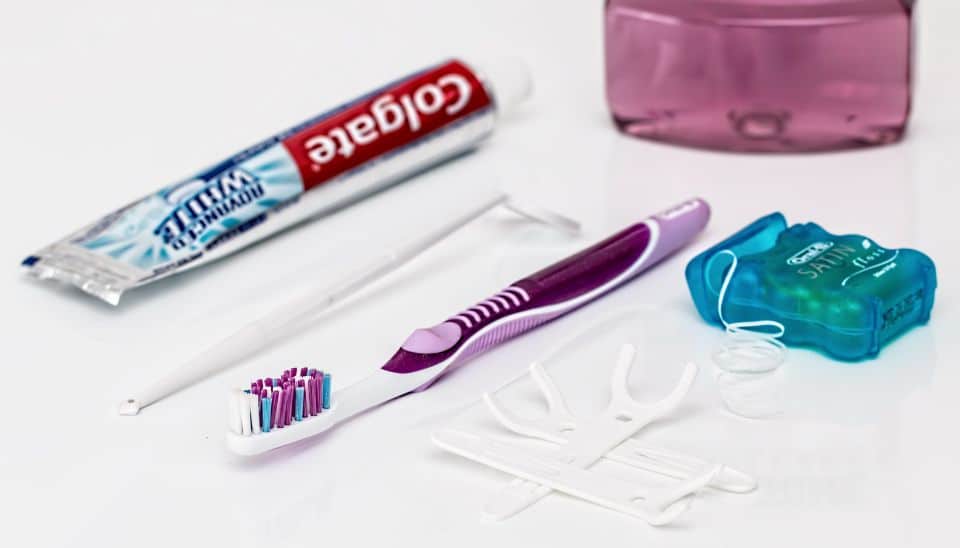
For younger children, parents still need to supervise brushing. For older children and teens, a quick check-in is often enough to make sure the routine is still happening. Holidays are also a good time to replace worn toothbrushes, top up floss or interdental brushes and restock fluoride toothpaste before the new term begins.
Sugary snacks and treats
School holidays often mean more ice creams, cold drinks, juices, lollies and baked treats. The goal is not to ban everything, but to manage frequency and timing. Cavity prevention is much easier when sugary foods are eaten with meals rather than between meals, because teeth get fewer repeated acid attacks throughout the day.

Sticky snacks are the biggest problem because they linger on teeth longer. Fizzy drinks and juice can also be a concern, even when they are labelled “natural” or “fruit-based”, because frequent sipping keeps teeth bathed in sugar and acid. Water is a far better everyday drink, and milk is also a sensible option for many children.
Practical holiday strategies include:
- Keeping treat times specific rather than constant grazing.
- Offering fruit, cheese, yoghurt or nuts where age-appropriate between meals.
- Rinsing with water after sugary snacks if brushing is not practical.
- Saving sweet foods for mealtimes rather than bedtime.
For families with teens, free dental care can reduce barriers to treatment and make it easier to act early if cavities are developing. Hamilton Dental Centre’s Free Dental Care for Kids Aged 13-18 service is especially useful if you want to fit preventive appointments into the holiday window before school resumes.
Outdoor activities and dental injuries
Holidays often mean more sports, biking, skateboarding, trampolining, swimming and water play. These activities are healthy and fun, but they also increase the chance of dental trauma. A knocked-out or chipped tooth can happen very quickly, especially if helmets and mouth protection are not used correctly.
Bike helmets should always be worn for cycling and scooters, but parents should also think about sports-specific protection. A custom mouthguard is the best option for contact sports and high-impact activities, because it protects teeth more effectively than a generic boil-and-bite version. For water sports or rough play, the same logic applies. If there is a chance of impact, protection is worth it.
If a tooth is chipped, fractured or knocked out, it is a dental emergency and should be managed promptly. Parents should know where to go, how to keep the tooth moist if it is knocked out, and when to contact a dentist. Our recent posts on Emergency Dentistry and understanding dental pain are good additional reading for families who want to be prepared before an accident happens.
Holiday travel and dental care
Travelling does not have to mean interrupted oral care. A small toiletry bag with toothbrushes, fluoride toothpaste, floss or interdental brushes, and any prescribed products makes it much easier to keep children on track away from home. For younger children, it can help to pack a spare toothbrush in the car or day bag so brushing is possible even if the schedule changes.
If your family is heading away for several days or more, try to preserve the rhythm rather than wait until everyone gets home. Brushing before bed should be non-negotiable, even if the evening is late. It is also smart to book dental appointments either before leaving or shortly after returning if your child has been due for a review.
Travel is also a good reminder to check for warning signs. Tooth sensitivity, bleeding gums, bad breath or complaints about chewing are worth noting during the break, not just when school starts again. Small issues are easier to treat when they are still small.
Water intake and hydration benefits
Hydration is one of the most underrated tools in dental hygiene. Water helps rinse food particles from the mouth, supports saliva production and reduces the drying effects of long hot days, salty foods and active play. Saliva is important because it naturally helps neutralise acids and protect tooth enamel.
Children who snack heavily or spend time outdoors can become dehydrated more quickly than parents realise. Encouraging regular water breaks is good for overall health and also supports cavity prevention. A reusable water bottle is one of the simplest holiday health tools a family can have.
If your local water supply is fluoridated, that adds another layer of protection for tooth enamel. Even when children are not brushing immediately after every snack, staying well hydrated and drinking water instead of sugary beverages still makes a meaningful difference to oral health.
Fun ways to encourage brushing
School holidays are a perfect time to make brushing feel less like a chore and more like part of the daily routine. Younger children often respond well to songs, countdowns or sticker charts. Older children and teens may prefer tracking progress on a phone app, choosing a toothbrush they like, or linking brushing to music playlists.
Other ideas include:
- Letting children choose a toothbrush colour or flavour of toothpaste.
- Using a timer or two-minute song to make brushing feel manageable.
- Creating a holiday brushing chart with rewards for consistent habits.
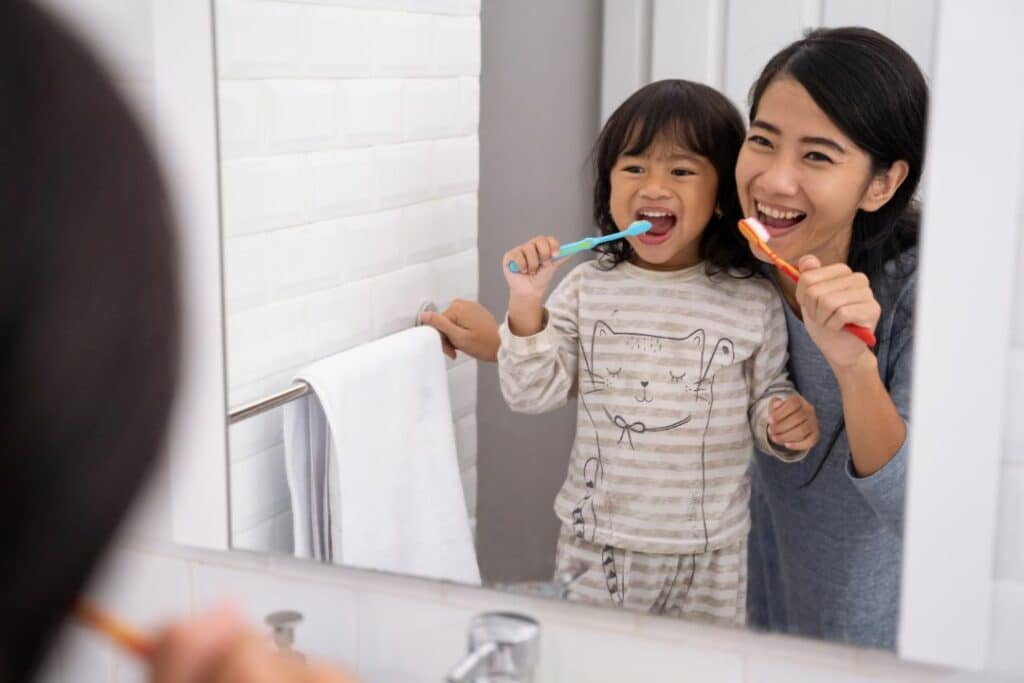
- Brushing together as a family so it becomes part of the evening routine.
The goal is not to make brushing exciting every day. It is to make it predictable, positive and normal. That approach supports long-term children’s oral hygiene much better than occasional lectures or threats.
Scheduling check-ups during breaks
School holidays are ideal for routine appointments because children are less likely to miss class, and parents often have more flexibility to attend with them. This is especially helpful if a child needs a check-up, a hygiene treatment, or assessment of a sore tooth before the new term starts.
Hamilton Dental Centre’s Diagnostics and Prevention and Teeth Cleaning and Hygiene Treatments services are a strong fit for holiday scheduling because they focus on finding problems early and removing plaque and tartar before they become more serious. Preventive care is always easier than emergency treatment, and holiday appointments often give the widest choice of times.
For teenagers aged 13 to 18, the holiday break is also a practical time to use the practice’s free dental care service before school and extracurricular commitments start again. That can be particularly useful for families managing multiple children and busy work schedules.
Early intervention before school starts
One of the biggest advantages of school holidays dental care is the chance to catch issues before they disrupt term time. A small cavity, early gum inflammation or a failing filling is much easier to address before it becomes painful. Children also settle better into treatment when they are not rushed by school, sports or exam schedules.
Parents should watch for signs like:
- Tooth pain or sensitivity.
- Avoiding certain foods.
- Swollen or bleeding gums.
- Bad breath that does not improve.
- Chewing on one side only.
These are the kinds of symptoms that should not wait until the next school term. If something seems off, a preventive appointment can save time, discomfort and cost later on.
Hamilton Dental Centre’s support
Hamilton Dental Centre supports families through preventive care, hygiene treatments and free dental care for eligible teenagers. That makes it easier for parents to plan around the holidays and get a clear picture of their child’s oral health before school restarts. The practice’s approach is built around early detection, practical advice and gentle treatment that works for both children and parents.
The best starting point is to book your child in as early as possible for a visit during the school holidays as it tends to be a busier time at the practice. Head to the Appointment Request page today to book a holiday check-up. This makes it simple to secure an appointment while the children are out of school and routines are easier to coordinate.
Book your child’s holiday check-up
School holidays are one of the best times to support kids’ dental health because you can combine routine, prevention and early intervention in one window. A holiday check-up can help protect smiles, reduce the risk of cavities and give your family a clean slate before the next school term begins.
If your child is due for a review, has had a recent toothache, or simply needs a preventive clean, book through the Appointment Request page and arrange a school holiday dental care visit with Hamilton Dental Centre.
FAQ
How often should children have a dental check-up?
Most children benefit from regular check-ups every 6 to 12 months, but the right interval depends on their cavity risk, oral hygiene and previous dental history.
What is the best drink for kids during the holidays?
Water is the best everyday choice. It supports hydration, helps rinse the mouth and does not increase cavity risk.
Are sugary snacks completely off limits?
No. The main goal is to reduce frequency and make treats part of meals rather than constant grazing throughout the day.
Can teens use free dental care during the holidays?
Yes, eligible 13-to 18-year-olds can access free dental care through Hamilton Dental Centre, which makes the holidays a good time to book.
What if my child has a dental injury during sport?
If a tooth is knocked out, chipped badly or painful after an impact, seek dental help quickly. Keep any tooth fragments and call for urgent advice.

Site map
Services
Contact Us
T: 07 854 8905
E: info@thehdc.co.nz
3/111 Thomas Road,
Rototuna, Hamilton
copyright © 2025 Hamilton Dental Centre | Credit Terms | Web development by Digital Hothouse