Starting the year with a clear, realistic dental health roadmap can transform both your smile and your overall health in 2026. Regular check-ups, preventive dentistry, and consistent oral hygiene habits dramatically cut the risk of tooth decay, gum disease, and tooth loss for New Zealanders of all ages.
Your 2026 dental health roadmap
- Aim for at least one comprehensive dental health assessment and professional clean in 2026 to detect problems early and protect your teeth and gums.
- Set realistic oral health resolutions such as reducing plaque, improving gum health, and brushing and flossing effectively every day. These habits lower the risk of gingivitis and periodontitis that affect a large proportion of New Zealand adults.
- Preventive dentistry works best when combined with regular professional care. Scaling, polishing, and tailored hygiene advice reduce harmful bacteria, freshen breath and support long-term oral and general health.
- At Hamilton Dental Centre, our diagnostics and prevention team offers thorough check-ups, gentle teeth cleaning and personalised oral hygiene coaching for individuals and families across Hamilton and the wider Waikato.
Why early year check-ups matter
Starting the year with a dental health assessment gives a clear picture of the current state of your teeth, gums and oral hygiene before problems escalate. This is essential in a country where thousands of adults and children still lose teeth each year due to decay, infection and gum disease.
In 2023 and 2024 an estimated 321,000 New Zealand adults and 31,000 children had one or more teeth removed because of preventable conditions such as decay, abscess or periodontal disease; early detection through regular check-ups can often avoid this outcome.
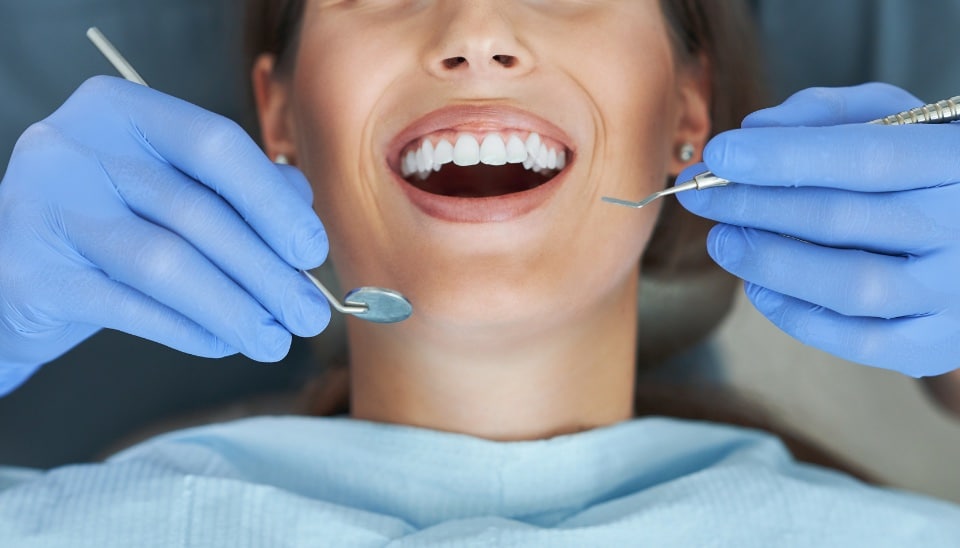
Preventive visits are increasingly recognised worldwide as the key to reducing serious dental issues, with large studies showing that adults who attend for preventive care have fewer unexpected or emergency dental visits.
At Hamilton Dental Centre, a New Year dental check-up is not just a quick look at your teeth; it’s a structured, comprehensive assessment that includes your medical history, risk factors, gums, bite and soft tissues, helping to identify issues long before you feel pain.
This preventive dentistry approach supports your broader health, as poor oral health has been linked internationally to conditions such as cardiovascular disease and diabetes.
Setting realistic dental health goals for 2026
New Year dental care works best when your resolutions are specific and achievable rather than vague promises to “do better”. Setting targeted dental health goals for 2026 helps you stay accountable and gives the dental team at Hamilton Dental Centre a clear framework to support you.
Some practical goals could include reducing visible plaque, improving gum health, and lowering your personal risk of tooth decay and tooth loss. These are particularly relevant in New Zealand, where gum disease and caries remain common.
Research suggests that up to 70 per cent of people may experience gingivitis at some point, often due to plaque build-up and inconsistent oral hygiene; focusing on plaque control and gum care is therefore one of the most impactful resolutions you can make.
For families, 2026 is a good year to formalise oral health routines at home. New Zealand research shows that many children brush without adult help and that parental habits strongly influence whether children need fillings or extractions.
A family goal could be supervised brushing for younger children, regular use of fluoridated toothpaste, and booking preventive check-ups for everyone rather than waiting for pain or visible problems.
Quick wins: brushing, flossing and professional cleaning
Some of the most powerful dental health goals are also the simplest habits to build into your daily routine. Regular, effective tooth brushing with a fluoridated toothpaste remains the foundation of oral hygiene, helping to remove plaque, deliver fluoride to the enamel and reduce the risk of cavities.
Aim to brush twice a day for two minutes, making sure to reach all tooth surfaces and along the gumline. This is a realistic daily commitment that can significantly improve both plaque control and gum health over the year.
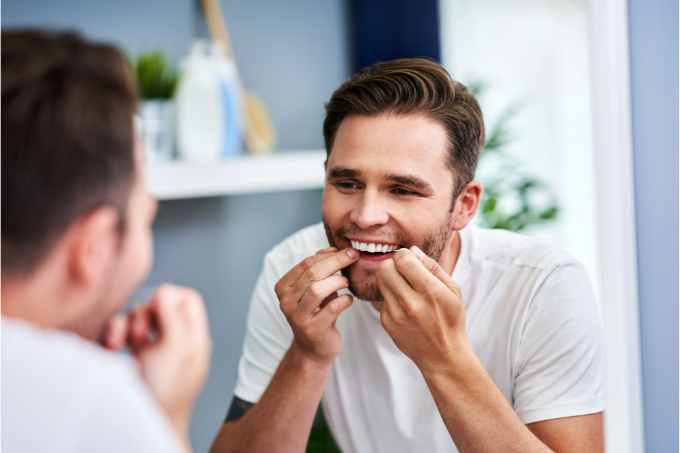
Flossing or using interdental cleaning aids once a day helps to remove plaque and food from between the teeth where your toothbrush cannot reach, reducing gingivitis and bleeding gums associated with plaque build-up.
Professional teeth cleaning and hygiene treatments provide an additional level of benefit that home care alone cannot achieve. Systematic reviews indicate that professional tooth cleaning and non surgical periodontal therapy reduce bacterial compounds associated with bad breath and periodontal disease when combined with good home care.
While some large reviews note that routine “scale and polish” alone may not dramatically change long term gum disease measures in otherwise healthy mouths, patients consistently report that their teeth feel cleaner and fresher after regular professional cleaning.
This combination of subjective benefit, improved access for the dentist to check for early problems, and individualised hygiene coaching makes professional cleaning an important quick win in any oral health resolution plan.
How Hamilton Dental Centre supports your 2026 goals
The preventative dentistry services at Hamilton Dental Centre are designed to move you from reactive, problem-based visits to proactive, planned care. During a dental health assessment, the team carries out thorough diagnostics including clinical examination, appropriate radiographs and gum charting to identify early decay, cracks, gum inflammation and other concerns.
This level of diagnostics and prevention allows tailored advice rather than generic tips; for example, focusing on high risk areas, addressing dry mouth, or supporting patients with medical conditions that affect gum health.
Hamilton Dental Centre’s hygienists and dentists provide gentle teeth cleaning and hygiene treatments that remove hardened tartar and plaque deposits that brushing and flossing cannot shift, especially around the gumline and between teeth.

A key point of differentiation is the emphasis on education and behavioural coaching as part of every visit, rather than simply “doing a clean”. Patients receive practical demonstrations of brushing and flossing techniques, advice on choosing the right toothbrush and interdental aids, and realistic home care plans that fit busy New Zealand lifestyles.
Another strength is the family-oriented approach; the practice regularly cares for children, teenagers, adults and older patients, meaning your whole whānau can work on their dental health goals 2026 together under one roof in Hamilton.
For anxious patients, the team’s experience with pain-free and low-anxiety dentistry helps make preventive visits more comfortable, which in turn makes it easier to stick to your new year dental care plan over the long term.
Making preventative dentistry part of everyday life
To turn your oral health resolutions into lasting habits, it helps to embed preventive dentistry into your daily and yearly routines rather than treating it as a once off effort. At home, this means building consistent oral hygiene routines that include fluoridated toothpaste, careful brushing along the gumline, interdental cleaning and limiting sugary snacks and drinks between meals.
On a yearly level, it means pre-booking your dental health assessment and professional cleaning appointments so they become non negotiable health commitments similar to regular GP or eye checks. International data suggests that adults who plan preventive visits experience fewer urgent or unexpected dental visits than those who only seek care when symptoms appear.
For children and teenagers, parents and caregivers can reinforce the message that dental check-ups are a normal, positive part of staying healthy. New Zealand public health authorities continue to promote community water fluoridation and early preventive care as central strategies for reducing tooth decay rates across the population.
At Hamilton Dental Centre, the team can work with you to schedule regular reminders, coordinate family appointments and provide written or digital follow-up advice to help keep everyone on track with their oral health goals.
Call to action: book your New Year check-up
If you are thinking about dental health goals 2026, the most important step you can take is to book a comprehensive dental health assessment and professional clean early in the year. This single action anchors your new year dental care plan, gives you a clear baseline and provides professional support for the changes you want to make at home.
Whether you are an individual wanting to improve gum health and freshen your smile, or a family looking for a trusted Hamilton practice to support your children’s oral health resolutions, Hamilton Dental Centre’s diagnostics and prevention, teeth cleaning and hygiene treatments are ready to help.
Contact the team today via phone or the online booking system to schedule your New Year check-up and start your 2026 oral health roadmap on the right track.
FAQs: New Year dental health resolutions
How often should I have a dental check-up in 2026?
Most people benefit from a dental health assessment every 6 to 12 months, but your ideal interval depends on your individual risk for decay and gum disease. At Hamilton Dental Centre, your dentist or hygienist will recommend a personalised recall schedule based on your oral health, medical history and home care habits.
At what age should children start preventive dental visits?
International guidelines and major insurers recommend starting preventive dental check-ups by around age 1 or within six months of the first tooth erupting. Early visits help children become comfortable in the dental environment and allow the dentist to detect early signs of decay or enamel defects before they cause pain.
Do I still need professional cleaning if I brush and floss well?
Even with excellent oral hygiene, most people develop some tartar build-up and miss hard to clean areas, especially behind lower front teeth and on molars. Professional tooth cleaning removes deposits that home care cannot shift and allows your dentist to monitor your gums and enamel closely over time.
Is personal oral hygiene enough to prevent tooth decay?
Systematic reviews suggest that personal oral hygiene without fluoride has a limited impact on reducing caries; fluoride exposure is crucial for strengthening enamel and reducing decay risk. Using fluoridated toothpaste and, where available, fluoridated community water, alongside brushing and flossing, provides far better protection than brushing alone.
What if I feel nervous about visiting the dentist after a long break?
Dental anxiety is very common, especially if you have not seen a dentist for several years or have had a difficult experience in the past. Hamilton Dental Centre focuses on gentle, pain-free dentistry with clear communication and extra time for anxious patients, helping you rebuild trust and confidence in your dental care.

Site map
Services
Contact Us
T: 07 854 8905
E: info@thehdc.co.nz
3/111 Thomas Road,
Rototuna, Hamilton
copyright © 2025 Hamilton Dental Centre | Credit Terms | Web development by Digital Hothouse