Soft tissue laser dentistry uses focused light energy to remove diseased gum tissue, reduce harmful bacteria and support healing with less bleeding, swelling and discomfort than traditional gum surgery in many suitable cases. For patients considering laser gum treatment in Hamilton, it can be an effective, modern option for gum disease therapy when combined with a thorough diagnostic assessment and ongoing preventive care.
Introduction
Soft tissue laser technology has moved periodontal care into a more precise and patient-friendly era. Instead of relying only on scalpel-based surgery, dentists can now use laser dentistry to target inflamed or infected gum tissue while preserving more healthy tissue and improving the comfort of treatment. That is especially relevant for patients who have delayed care because they are nervous about bleeding, stitches or a long recovery.
At Hamilton Dental Centre, our soft tissue laser service is well supported by diagnostics and prevention, because successful gum disease treatment starts with an accurate diagnosis, a clear plan and a realistic maintenance strategy.
What is soft tissue laser technology?
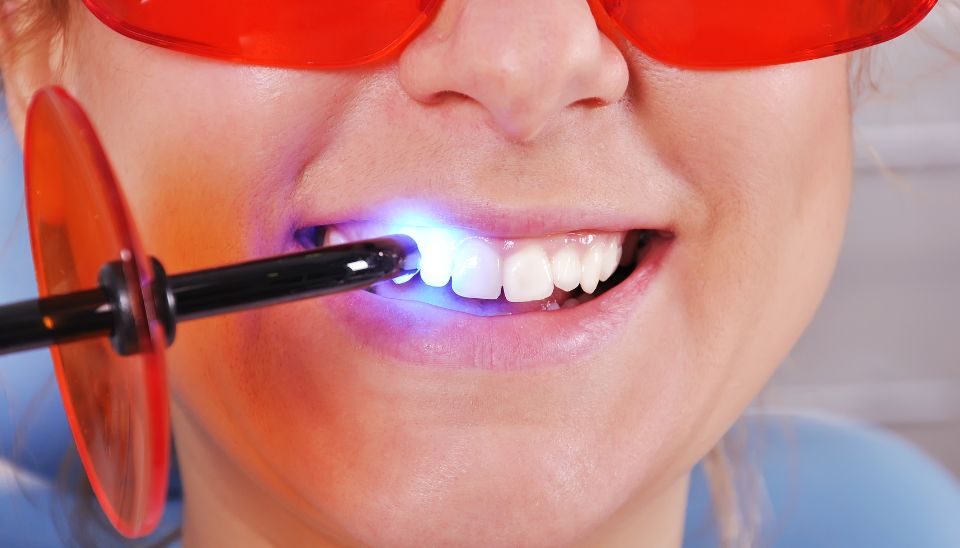
Soft tissue lasers are dental devices that use concentrated light energy to cut, remove or reshape soft tissues such as the gums. In periodontal care, this means the laser can be used to remove inflamed tissue around the teeth, reduce bacterial load in periodontal pockets and support the healing of affected areas.
Different laser systems may be used depending on the case, but the goal is similar. The laser allows our dentists to work very precisely, often with less trauma to nearby healthy tissues than conventional cutting instruments. That precision is one reason soft tissue laser dentistry has become an increasingly important part of modern gum disease treatment.
For patients, this can translate into a gentler experience. The treatment is often less intimidating than traditional surgery because there is usually less cutting, less suturing and a faster return to normal routine.
How laser treatment works for gum disease
Gum disease therapy with a laser typically follows a targeted process. The dentist uses the laser to access the gum pocket, remove diseased tissue and help disinfect the area around the tooth roots. In some protocols, the tooth surface is also cleaned to remove tartar and biofilm, while healthy tissue is left intact as much as possible.
A useful way to think about laser gum treatment is that it combines the removal of infected tissue with a sterilising effect. The laser energy helps reduce bacteria while also cauterising tissue as it works, which is why bleeding can be lower than in conventional surgery.
In periodontal disease, Hamilton patients may have a mix of inflammation, deep pockets and bone loss. Laser-assisted therapy is often used as part of a broader treatment plan, not as a standalone fix. In other words, the laser can be a very useful tool, but it works best when paired with scaling, root cleaning and long-term preventive care.
Benefits over traditional gum surgery
Traditional gum surgery remains an important and effective treatment in some cases, but laser dentistry offers several advantages when the case is suitable. One of the most obvious is reduced bleeding. Because the laser cauterises tissue as it works, many patients experience less blood loss during and after the procedure.
Another major benefit is faster healing. Studies and reviews suggest that laser-assisted periodontal treatment can reduce postoperative pain and swelling, while helping tissues recover more quickly than conventional surgery in many cases. That does not mean every patient will heal instantly, but it does mean the recovery experience is often easier and more comfortable.
Soft tissue laser dentistry can also be more precise than scalpel surgery, which may help preserve more healthy tissue. This matters because healthy gum tissue plays a key role in supporting tooth stability, appearance and oral hygiene access.
For patients who are anxious about oral surgery, the lower-trauma nature of laser gum treatment can make a real psychological difference. Less visible cutting, fewer stitches and a smoother recovery can reduce fear and improve treatment acceptance.
Conditions treated
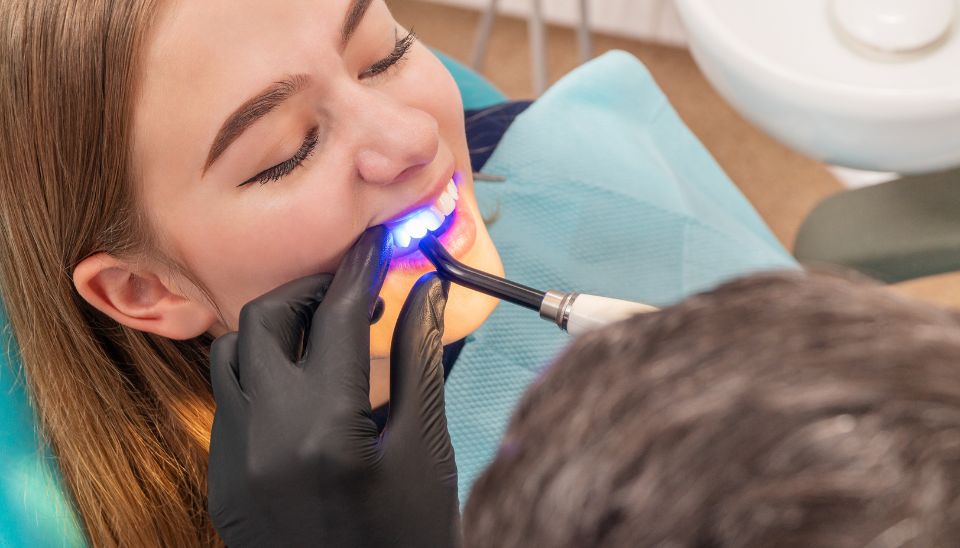
Laser gum treatment is commonly used in several related conditions. The most obvious is gingivitis, where the gums are inflamed but the deeper supporting tissues have not yet been permanently damaged. In these cases, the laser may help remove inflamed tissue and reduce bacterial levels, especially when combined with hygiene treatment and improved home care.
For periodontitis, the deeper form of periodontal disease, laser therapy can be used to help manage infected pockets and inflamed tissue around the tooth roots. This is where the term gum disease therapy becomes especially relevant, because treatment is no longer just about brushing better. It often requires active clinical intervention to prevent further attachment loss and tooth instability.
Laser treatment may also play a role in some cases of gum recession, particularly when soft tissue reshaping or management of inflamed areas is needed before restorative or periodontal planning. However, recession is not always treated by laser alone. The right approach depends on whether the cause is traumatic brushing, periodontal disease, thin tissue phenotype or a combination of factors.
Because every mouth is different, Hamilton Dental Centre uses diagnostics and prevention to work out whether the main issue is gingivitis, early periodontitis, more advanced periodontal disease, or another problem entirely. That diagnostic step is essential before any laser option is recommended.
The laser procedure: what to expect
The first appointment is usually a gum disease assessment, not treatment on the spot. Your dentist will check the gums, measure pocket depths, assess bleeding, review X-rays and discuss the health of the surrounding bone and teeth. This is where the practice decides whether laser dentistry is suitable and whether any additional treatment is needed first.
If laser treatment is recommended, the procedure is typically carried out under local anaesthetic or with comfort measures appropriate to the case. The laser is then used to access the infected pocket and remove inflamed tissue. In many cases, the dentist also removes plaque and tartar from the root surface so the gums have a cleaner environment in which to heal.
Most patients are surprised by how controlled the process feels. There may be pressure, warmth or a mild vibration sensation, but the aim is to keep the procedure as comfortable as possible. After treatment, you will usually be given tailored instructions for rinsing, cleaning and follow up care.
Reduced bleeding and faster healing
Reduced bleeding is one of the clearest selling points of soft tissue laser dentistry. By sealing small blood vessels as it works, the laser can create a cleaner field during the procedure and reduce the need for sutures in some cases.
That same tissue response often contributes to a faster healing experience. Less tissue trauma usually means less swelling, less soreness and a quicker return to normal eating and brushing habits. Reviews of laser periodontal treatment consistently point to reduced postoperative pain and swelling as a meaningful patient benefit.
This can make a real difference for parents and busy adults who cannot afford a long recovery. It is also one reason laser gum treatment is increasingly seen as a practical option in modern periodontal disease management rather than just a high-tech add-on.
Cost and insurance coverage
The cost of laser gum treatment depends on the number of teeth or quadrants treated, the severity of the disease and whether laser therapy is part of a broader periodontal plan. Because laser dentistry is usually more specialised than a routine clean, fees can be higher than basic hygiene treatment.
That said, cost should be considered alongside value. If the treatment reduces pain, shortens downtime and helps avoid more invasive surgery later, the long term benefit may outweigh the upfront expense. Some reviews also suggest laser therapy may be cost effective over time because it may reduce the need for repeat intervention in selected patients.
Insurance coverage varies. Some policies contribute to periodontal treatment, but cover for laser-specific procedures is not universal. It’s worth checking your policy or asking for a written treatment estimate so you can confirm what is included before proceeding.
Patient outcomes and results
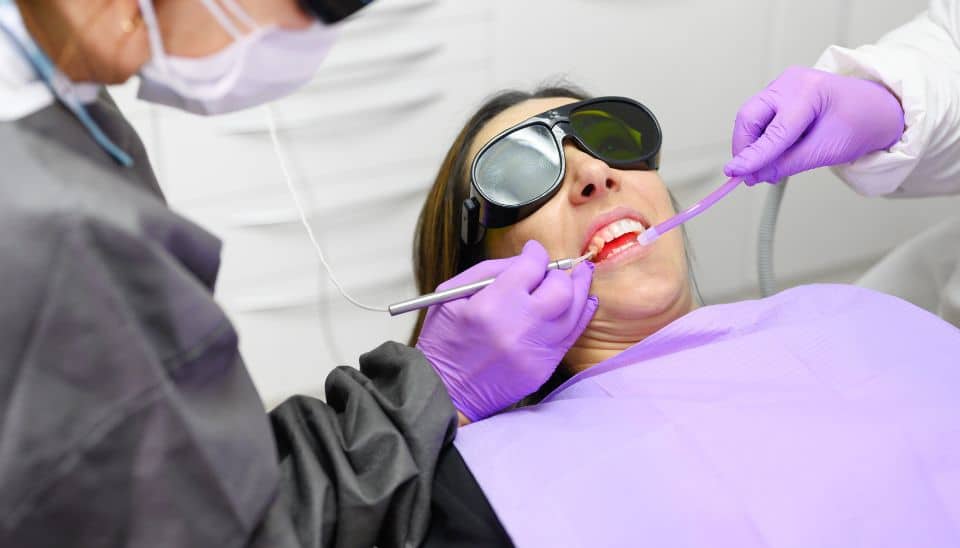
Patients often choose laser dentistry because they want a more comfortable route to better gum health. Reported results include less bleeding during treatment, improved short term comfort and a more manageable recovery compared with conventional surgery in appropriate cases.
In clinical studies, adding laser therapy to standard periodontal treatment has been associated with improvements in pocket depth, bleeding on probing and clinical attachment measures in some patient groups. Results are not identical for every case, but the evidence suggests that laser-assisted treatment can be a useful part of periodontal disease management.
Just as important as the clinical outcome is the patient experience. Many people who were previously anxious about gum surgery feel more willing to start treatment when they learn that a less invasive option exists. That can be the difference between delaying care and actually getting the infection under control.
Hamilton Dental Centre’s laser capabilities
Hamilton Dental Centre’s Soft Tissue Laser Dentistry service is designed to support patients who need modern gum disease treatment with a focus on comfort, precision and long-term maintenance. The treatment is integrated with Diagnostics and Prevention, which means the practice can identify disease early and recommend a laser option only when it is clinically appropriate.
We don’t frame laser treatment as a miracle cure. Instead, we treat it as part of a structured approach to oral health that includes diagnosis, hygiene support, maintenance and clear follow-up. That makes our service more relevant for patients with real periodontal concerns rather than just cosmetic worries.
Gum disease assessment
If your gums bleed when you brush, feel tender, look swollen or have been told you have periodontal disease, now is the time to get assessed. Early action can stop gingivitis from progressing and may help avoid more invasive surgery later.
Hamilton Dental Centre offers a gum disease assessment with laser option where appropriate, combining diagnostics and prevention with modern soft tissue laser dentistry. To find out whether laser gum treatment is right for you, contact the team and book your evaluation today.
FAQs: laser gum treatment and periodontal disease
Is laser gum treatment painful?
Most patients find it more comfortable than traditional gum surgery. Local anaesthetic is often used, and the reduced tissue trauma usually means less pain after the procedure.
Can laser dentistry cure periodontal disease?
Laser therapy can help treat active disease, but periodontal disease still needs ongoing maintenance. Good brushing, flossing, hygiene visits and regular reviews remain essential to control the condition long term.
Is soft tissue laser dentistry suitable for everyone?
Not always. Some cases are better managed with conventional periodontal therapy or specialist care. Your dentist will assess the depth of disease, bone levels and overall oral health before recommending a laser option.
How long does recovery take after laser gum treatment?
Recovery is often quicker than with traditional surgery, but it still depends on how advanced the disease is and how much treatment was required. Many patients experience less swelling and get back to normal routines sooner.
Will insurance cover laser dentistry?
Some insurance policies contribute to gum disease treatment, but laser coverage varies widely. Ask for a treatment estimate and check your policy before starting treatment.

Site map
Services
Contact Us
T: 07 854 8905
E: info@thehdc.co.nz
3/111 Thomas Road,
Rototuna, Hamilton
copyright © 2025 Hamilton Dental Centre | Credit Terms | Web development by Digital Hothouse