A back-to-school dental checklist helps families protect children’s oral health before the new term begins by combining a pre-school dental check-up, sports mouth guard planning, smart lunch choices and a clear emergency plan. It’s also a practical time to book preventive care, review free dental options for eligible teens and make sure your child starts school with confidence.
Back-to-school season is one of the best times to reset healthy routines. A simple children’s dental health checklist can reduce the chance of missed problems, support school health and help children feel more comfortable socially and physically as they head into the term. For parents, it’s a chance to get ahead of issues rather than react once school is already underway.
Why a pre-school check-up matters
A pre-school dental check-up is one of the most valuable items on any back-to-school dental list. The American Academy of Pediatric Dentistry recommends routine examination and preventive care for children, while the American Dental Association advises that children should begin seeing a dentist by their first birthday and continue regular visits. These appointments help dentists detect early decay, monitor tooth eruption and give parents practical guidance before the school term becomes busy.
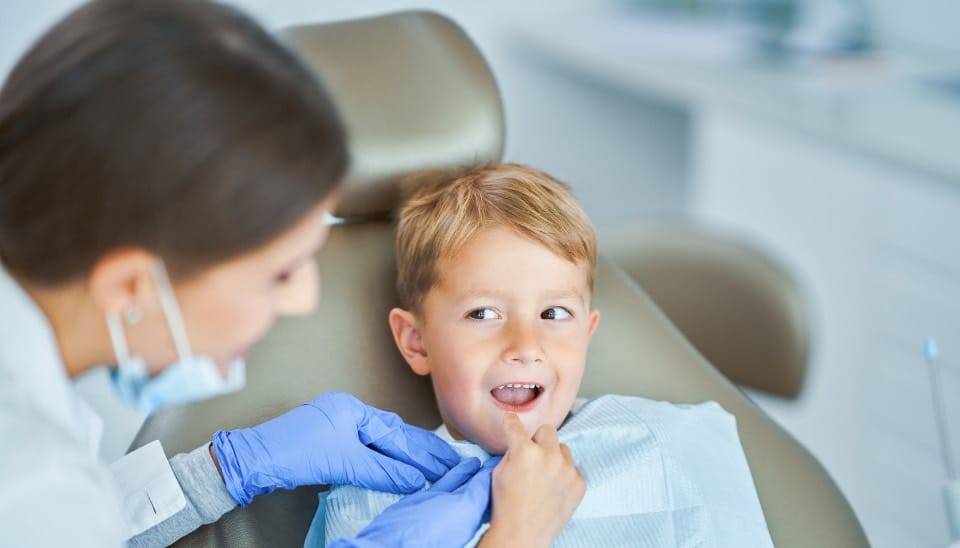
Children grow quickly, and their mouths change just as fast, especially during the years when baby teeth are falling out and permanent teeth are coming through. A routine dental visit before school starts gives your dentist a chance to identify decay, gum inflammation, crowding, bite issues or hygiene habits that need attention.
This is especially important because school terms bring busier schedules, more packed lunches and more opportunities for kids to delay brushing or snacking frequently. A clean bill of dental health before school starts makes it easier to focus on learning rather than dealing with a sore tooth in the middle of the term. At Hamilton Dental Centre, our Teeth Cleaning and Hygiene Treatments and Diagnostics and Prevention services are ideal for that post-holiday review.
We have also published helpful supporting articles on dental tips for kids, kids’ dental health during school holidays and a parent’s guide to kids’ first dental visits, which help to support this checklist.
Mouth guards for school sports
If your child plays rugby, hockey, basketball, football, netball or any contact or collision sport, a mouth guard should be high on the list. Sports dentistry is not just for elite athletes. Children and teens can chip, fracture or even lose teeth from a single impact, and those injuries are often far more stressful and costly than prevention.
Custom mouth guards are usually the best option because they fit better, feel more comfortable and stay in place more reliably than generic store-bought versions. That matters because if a mouth guard is uncomfortable, children are less likely to wear it properly. Dr David Blom and Dr Basahr Humadi understand that the best protection is the one a child will actually use, so fitting and guidance should always be part of the conversation.

For families, this is not just about one tooth. It is about avoiding interruptions to school, sports and confidence. A broken front tooth can affect eating, speaking and smiling, all of which matter during the school year.
Youth sports are a major risk factor for dental trauma. Reviews and systematic reviews show that properly fitted mouthguards reduce the incidence and severity of sports-related dental injuries, and custom-fabricated mouthguards offer the best comfort and protection.
Dental insurance and school coverage
It’s worth checking dental insurance and school coverage before term begins, even if your child seems fine. Some families are surprised to learn that a child’s dental needs may already be partially covered through school-linked services, while older teenagers may qualify for free dental care. Hamilton Dental Centre’s Free Dentistry for 13-18 Year Olds page is especially useful if your child is in that age group.
For many families, this makes the back-to-school period a sensible time to arrange preventive care or treatment while the schedule is still flexible. It also helps avoid surprises later in the term, when multiple costs may compete with uniforms, stationery and sports fees. If your child has braces, fillings, hygiene needs or a mouth guard fitting, it’s much easier to plan those appointments before school routines become crowded.
A practical approach is to review:
- What is covered by your policy.
- Whether the child qualifies for free or subsidised care.
- Whether any treatment can be timed before the school term becomes busy.
- Whether routine school dental visits are up to date.
Packing dental supplies
A school bag or sports bag should include the basics for children’s oral hygiene where appropriate. Not every child needs to brush at school, but every child benefits from having a practical system in place. For older children and teens, this can be especially helpful after lunch or before sports practices and other after-school activities.
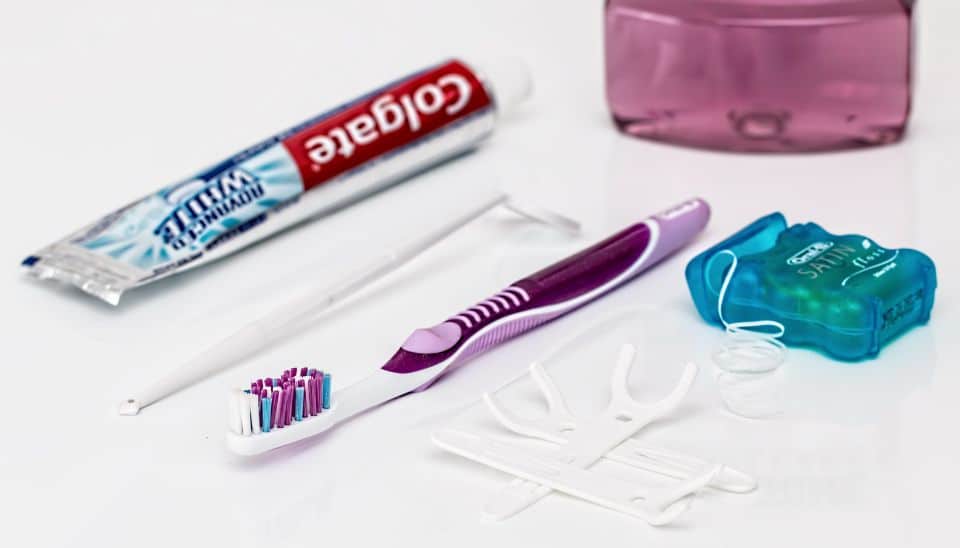
Consider packing:
- A toothbrush in a clean, ventilated case.
- Fluoride toothpaste if brushing at school or away from home.
- Floss or interdental brushes for older children and teens.
- A water bottle for hydration.
- A mouth guard case if they play sport.
- Sugar-free gum if recommended by your dentist and appropriate for age.
The key is not to overcomplicate the routine. A simple, tidy setup makes it more likely that good habits will stick.
Lunch and snack choices
School lunch planning has a bigger effect on tooth health than many parents realise. Constant grazing on sugary or sticky snacks increases the risk of decay because teeth are repeatedly exposed to sugar and acid. That does not mean children can never have treats. It means the timing, frequency and texture of those treats matter.

Better lunch and snack choices for cavity prevention include:
- Cheese, yoghurt and milk.
- Whole fruit instead of fruit juice.
- Sandwiches, wraps and savoury snacks.
- Nuts and seeds where age appropriate and safe.
- Water instead of sugary drinks.
Sticky foods, soft muesli bars, lollies and fruit juices are more likely to cling to teeth. If these are included, it’s best to keep them occasional rather than daily staples. Hamilton Dental Centre’s preventive focus means the team often helps families understand not just what to brush, but what to avoid between brushes.
Baby teeth and erupting permanent teeth
Back-to-school is also a time when many children are in mixed dentition, meaning they still have some baby teeth while permanent teeth erupt. This stage can bring wobbly teeth, gaps, crowding, sore gums and occasional concern from parents who are unsure what is normal. In most cases, losing baby teeth is part of healthy development, but it’s worth checking anything unusual, painful or asymmetrical.
Permanent teeth that are coming through behind baby teeth, erupting at odd angles or causing crowding may need monitoring. A pre-school dental check-up is a good time to make sure development is on track and to discuss whether orthodontic guidance, hygiene support or simply observation is the right next step.
This is where paediatric dentistry and preventive care overlap. The earlier a dentist sees a developing issue, the easier it is to explain what is expected and what needs treatment.
Confidence and social wellbeing
Oral health affects more than teeth. It can influence how children smile, speak, eat and feel in social settings. A child with stained teeth, bad breath, visible plaque or a sore tooth may become self-conscious, especially when they are starting a new term, changing classes or returning after holidays.
That is one reason a back-to-school dental checklist matters. It’s not simply a health exercise. It’s also a confidence exercise. When a child knows their mouth feels clean, their teeth are checked, and their parents have a plan, they are more likely to start the term feeling settled. The friendly feedback from parents who say their children are comfortable enough to attend appointments confidently is a good reminder that trust makes a big difference in family dentistry.
What families say about Hamilton Dental Centre
“Absolutely lovely bunch of people! My son is in the process of braces and they are so friendly, kind and caring. He’s only young and I would be happy sending him in after school on his own, he’s that comfortable now.” – Rebecca Steenstra
“Currently taking my 2 kids to get braces they are friendly, professional clean, kids adore them and they have a payment plan. 10/10.” – Samantha Mills
“Super stoked with the friendly and caring service. The whole team are welcoming, kind and professional. I’m blown away by the improvement in my son’s teeth.” – Anna
Emergency contact plan for school
Every family should have an emergency plan for dental trauma before school starts. Kids do not need to memorise every detail, but adults should know what to do if a tooth is chipped, knocked out or causing sudden pain. It’s also smart to share key information with caregivers, grandparents or anyone who regularly looks after the child.
Your school dental emergency plan should include:
- The name of your child’s dentist.
- The practice phone number.
- What to do if a tooth is knocked out.
- What to do if there is bleeding or swelling.
- Whether your child has a medical condition, allergy or special dental need.
Hamilton Dental Centre’s broader approach to diagnostics and prevention means the team can help identify risks before they become emergencies, which is exactly what you want before the school year becomes busy.
Hamilton Dental Centre support
Hamilton Dental Centre’s back-to-school services are built around prevention, hygiene and accessible care for families. The Teeth Cleaning and Hygiene Treatments service helps remove plaque and tartar that home brushing may miss, while Diagnostics and Prevention supports early detection of issues before they become painful. For eligible teens, Free Dentistry for 13-18 Year Olds makes it easier to keep care on track without unnecessary cost barriers.
Dr David Blom and Dr Bashar Humadi bring extensive family and preventive dentistry experience to Hamilton Dental Centre, with a focus on practical, child-friendly care, early diagnosis and long-term oral health planning. Their approach is designed to help children feel comfortable, while giving parents clear advice they can act on straight away. For more about the team, visit our About Us page.
Dr Blom qualified at the University of Stellenbosch, South Africa in 1987 (Bachelor of Dentistry). He was in private practice from 1987 till 2004 in Kimberley, South Africa. He was also President of the Northern Cape Branch of the Dental Association during 2004. In early 2005, Dave immigrated to Hamilton, New Zealand, and is in private practice to date.
Dr Humadi received his dental degree from the University of Otago, after completing a Bachelor in Psychology. Bashar has a special gift for putting patients at ease and a gentle touch that will have even the most anxious of dental patients smiling before they leave. He is a strong believer in continuing education and advancing his knowledge in the ever changing field of dentistry.
Schedule pre-school dental appointment
The best time to deal with dental issues is before the school term starts, not after. A pre-school dental appointment can help spot small problems, reduce the risk of sports injuries, reinforce oral hygiene and give your child the confidence to begin the term well prepared.
If you are putting together a back-to-school dental plan, book through the Appointment Request page and arrange your child’s pre-school dental appointment now.
Back-to-School FAQs
What should be on a children’s dental health checklist before school starts?
A check-up, hygiene review, mouth guard fitting if needed, updated supplies, lunch planning, and an emergency contact plan are the most important items.
When should my child get a mouth guard?
If they play contact or collision sports, they should be fitted as soon as the season starts or before it begins.
Do baby teeth need dental care if they will fall out anyway?
Yes. Baby teeth are important for chewing, speech and guiding permanent teeth into position, so they still need care and check-ups.
Is school dental coverage enough for teenagers?
It may cover some or all care depending on age and eligibility, but it is still worth checking with the practice so you know what is included.
Why book before school starts?
Because it is easier to fit appointments in, identify problems early and avoid missed school later in the term.

Site map
Services
Contact Us
T: 07 854 8905
E: info@thehdc.co.nz
3/111 Thomas Road,
Rototuna, Hamilton
copyright © 2025 Hamilton Dental Centre | Credit Terms | Web development by Digital Hothouse