
Invisalign and other clear aligners have transformed modern orthodontics, giving many teens and adults a realistic alternative to metal braces. If you are considering Invisalign in Hamilton, the right choice depends on your bite, lifestyle, budget and how much you value aesthetics and flexibility during treatment.
Is Invisalign right for you?
- Clear aligners can straighten many mild to moderate cases of crowding, spacing and malocclusion with discreet, removable trays instead of fixed brackets and wires.
- Traditional braces still work best for some complex bites or jaw problems, but Invisalign often matches their results for suitable cases when worn 20 to 22 hours a day.
- At Hamilton Dental Centre, an orthodontic consultation includes digital planning, bite assessment and a clear comparison of teeth straightening options so you can decide whether Invisalign or another approach is the best fit.
Traditional braces vs clear aligners
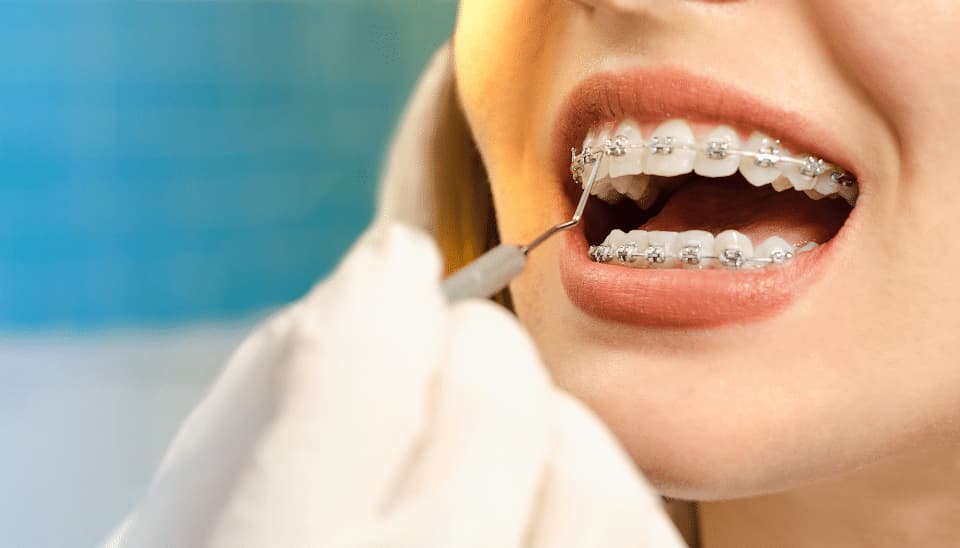
Traditional braces use brackets attached to each tooth and a metal or ceramic wire that gently moves teeth into their new positions. They are highly effective and have been used for decades to correct almost every type of malocclusion, from simple crowding to complex bite issues. Today, braces can be metal, tooth coloured ceramic, or even placed on the inside surfaces of teeth in some cases.
Clear aligners such as Invisalign use a series of removable, custom-made plastic trays that fit snugly over the teeth. Each aligner is slightly different, applying small, controlled forces that gradually move teeth. Because they are transparent and wire-free, aligners are often referred to as invisible braces and are particularly popular among adults and image-conscious teens.
From a lifestyle point of view, braces stay in the mouth all the time and cannot be removed at home. This means they are always working, but they can make brushing, flossing and eating certain foods more challenging. Clear aligners are removed for eating, drinking anything other than water, and cleaning your teeth, which can make daily life easier but requires discipline to keep them in for the recommended hours each day.

For many Hamilton patients with mild to moderate crowding or spacing, clear aligners provide a similar end result to braces with a more subtle appearance. However, for severe rotations, large bite corrections or significant jaw discrepancies, fixed braces or a combination approach may still be the better option.
Read more: All you need to know about orthodontics and braces
How Invisalign works step by step
Invisalign treatment begins with a comprehensive orthodontic assessment. At Hamilton Dental Centre, this includes photographs, digital scans or impressions, and carefully taken X-rays to assess tooth roots, bone levels and jaw relationships. Your dentist evaluates your bite, crowding, spacing, and overall oral health to confirm you are a good candidate for clear aligners.
Next, your scan data is used to create a 3D digital model of your teeth. Specialised software is used to plan each movement needed to reach your ideal alignment. You can usually see an animation of your projected tooth movement from start to finish. This digital planning stage is one of the strengths of modern orthodontics. It allows very precise control of the sequence and magnitude of movements.
Once you and your dentist are happy with the plan, a series of custom aligners are manufactured. Each aligner is typically worn for 1 to 2 weeks before moving on to the next in the series. Small tooth coloured “attachments” may be bonded to certain teeth to give the aligners extra grip and improve the accuracy of certain movements, such as rotations or vertical changes.
You will usually wear your aligners 20 to 22 hours per day, removing them only to eat, drink, brush and floss. Every 6 to 10 weeks, you return for review appointments so your dentist can monitor progress, make any needed refinements and provide your next set of trays. At the end of the planned series, some patients need a short refinement phase with a few extra aligners to perfect the result.
Invisalign benefits: aesthetics, comfort and convenience
The most obvious benefit of Invisalign is aesthetics. Clear aligners are very discreet, especially at conversational distance. For adults in client-facing roles, or teens who feel self-conscious about their smile, this can make a big difference to confidence during treatment.
Comfort is another key advantage. Because there are no brackets or wires, there is less risk of rubbing or ulcers on the cheeks and lips. The forces used are carefully controlled. You may feel gentle pressure for a day or two when changing to a new aligner, but most people adapt quickly. Being able to remove the trays makes it much easier to clean your teeth thoroughly, which can reduce the risk of decalcification and gum problems compared with poorly cleaned fixed braces.

Convenience plays a big role in everyday life. You can take aligners out for special occasions or important events, as long as this is not done too often and you still meet your daily wear time. Eating is more straightforward because you remove your aligners, enjoy your food, then brush and replace them. There are no long lists of hard or sticky foods to avoid in the same way as with braces.
Many Hamilton patients also appreciate the predictability of clear aligner plans. Being able to visualise the stages and the projected final result at the start can make the process more motivating. That said, the quality of your outcome depends heavily on how consistently you wear your aligners.
Who is a good candidate for Invisalign?
Invisalign and other clear aligners work best for people with:
- Mild to moderate crowding or spacing
- Relatively straightforward overbite, underbite or crossbite issues
- Good gum health and no active decay
- The motivation to wear aligners for 20 to 22 hours a day
Adults and older teens are often excellent candidates because they can understand and commit to the routine. Younger teens can also do very well, but it is important that parents and the dental team are confident that the aligners will be worn as instructed rather than left out in a school bag or lunchbox.
Certain situations are more challenging for aligners. Very severe crowding, teeth that need large vertical movements, serious skeletal jaw discrepancies, or teeth with short roots may be better treated with fixed appliances or a combined orthodontic and surgical plan. At Hamilton Dental, we will discuss these factors at your consultation and may recommend traditional orthodontics or a referral to a specialist orthodontist if that is in your best interests.
Clear aligners are also not suitable unless your gums are healthy. If you have untreated gum disease, this will need to be managed first. Similarly, active decay or broken fillings should be addressed before starting any orthodontic treatment so that your teeth are stable and healthy.
Cost and timeline expectations
The cost of Invisalign in Hamilton depends on the complexity of your case and the number of aligners required. Minor cosmetic movements using a limited number of trays are at the lower end of the cost range, while comprehensive treatment involving multiple arches and complex bite changes is at the higher end.
In general terms, clear aligner treatment often has a similar fee range to modern fixed orthodontics. You are paying for the planning, the manufacturer’s laboratory costs, and the clinical time required to monitor and refine your progress. Many practices offer payment plans or staged payments that spread the cost over the treatment period, which can make Invisalign more accessible for individuals and families.
Timeline-wise, mild cases may take around 6 to 9 months, while more comprehensive Invisalign treatment commonly runs 12 to 18 months. Very complex corrections can take longer. Your dentist will give you a personalised estimate based on your digital plan, so you know what to expect before you decide to proceed.
Regardless of whether you choose braces or aligners, it is important to think of orthodontics as a medium to long term investment in your oral health, chewing function and confidence. A well-aligned bite can make it easier to clean your teeth, reduce localised wear, and improve the way your upper and lower teeth meet.
Aftercare and retention
Finishing active treatment is an exciting milestone, but it is not the end of the journey. Teeth have a natural tendency to drift back toward their original positions, especially in the first year after movement. This is why retention is essential after any orthodontic treatment, whether with braces or clear aligners.
Most patients receive custom retainers that look similar to thin aligners. These are usually worn full-time for a short period, then at night only on a long-term basis. In some cases, a thin fixed retainer wire is bonded behind the front teeth to help keep them in position, combined with a removable retainer.
You will also need periodic check-ups to monitor the stability of your result and the health of the supporting gums and bone. Good home care remains vital. Straight teeth are easier to clean but still need thorough brushing, flossing or interdental cleaning, and a sensible diet to minimise decay risk.
Hamilton Dental Centre will give you a clear retention plan tailored to your bite and lifestyle. Following it closely is the best way to protect your investment and enjoy your new smile for many years.
Hamilton Dental Centre’s Invisalign expertise
At Hamilton Dental Centre, orthodontics is integrated into our comprehensive approach to oral health. We do not see Invisalign or any clear aligner system as a standalone cosmetic quick fix. Instead, we assess your whole mouth, including tooth structure, gum health, jaw joints and long-term functional needs, before recommending teeth straightening options.
Our clinicians have undertaken additional training in clear aligner therapy and use digital planning tools to design efficient, biologically sound movements. We routinely discuss alternative treatments, including fixed braces or restorative options, so that you can make a genuinely informed choice rather than feeling steered toward a single system.
A point of difference is our focus on family care. Many of our Invisalign Hamilton patients are parents who visit with their children, or older teens whose parents are also patients. This continuity means we understand your broader health history and can coordinate treatment plans, for example, combining aligners with whitening or restorative work where appropriate.
We also place strong emphasis on communication and support. This includes clear written plans, realistic expectations about what aligners can and cannot achieve, and ongoing guidance on aligner wear, cleaning and retention. If your case would be better handled by a specialist orthodontist, we will be transparent about that and help you access the right care.
Invisalign consultation
If you are wondering whether Invisalign or another clear aligner system is right for you, the best next step is a personalised assessment. Every bite, smile and lifestyle is different. What worked for a friend or family member may not be ideal for you.
Hamilton Dental Centre offers an Invisalign consultation for suitable new and existing patients. At this visit, we will:
- Examine your teeth, gums and bite
- Take any necessary photographs or scans
- Discuss your goals and concerns
- Outline whether clear aligners, braces or another option will best meet your needs
- Provide an estimate of cost and timeframe
To find out if Invisalign Hamilton is the right teeth straightening option for you or a family member, contact Hamilton Dental Centre today to book your consultation.
FAQs: Invisalign and other orthodontic options
Can Invisalign treat all types of crooked teeth?
Invisalign can treat many cases of crowding, spacing and mild to moderate malocclusion, but some complex bite problems still require traditional braces or a combination of treatments. Your dentist will advise you after a full assessment.
How many hours per day do I need to wear Invisalign aligners?
You should wear your aligners for about 20 to 22 hours per day. They should only be removed for eating, drinking anything other than water, and brushing or flossing. Wearing them less can slow or disrupt your planned tooth movements.
Is Invisalign more painful than braces?
Both braces and clear aligners can cause mild pressure or discomfort when teeth start moving, especially after adjustments or when you switch to a new aligner. Most people find Invisalign causes less rubbing or irritation because there are no brackets or wires. Any soreness usually settles within a few days.
Can teenagers use Invisalign instead of braces?
Yes, many teenagers are good candidates for Invisalign or other clear aligners, particularly if their adult teeth have fully or mostly erupted and they are motivated to wear the aligners as instructed. Your dentist will assess growth stage, bite complexity and compliance before recommending this option.
Will I need retainers after Invisalign treatment?
Yes. Retainers are essential after any orthodontic treatment, including Invisalign. You will be given a retention plan, usually involving wearing clear retainers at night, to help keep your teeth in their new positions and maintain your result long term.

Site map
Services
Contact Us
T: 07 854 8905
E: info@thehdc.co.nz
3/111 Thomas Road,
Rototuna, Hamilton
copyright © 2025 Hamilton Dental Centre | Credit Terms | Web development by Digital Hothouse