
Professional teeth cleaning removes hardened tartar and deep plaque that brushing and flossing cannot reach, using specialised tools like ultrasonic scalers and polishing equipment. At-home care keeps daily plaque in check between visits, but it cannot remove tartar once it has formed. The two work together, not as substitutes for each other. Most people need a professional clean every six to twelve months alongside twice-daily brushing and daily flossing to prevent gum disease, cavities, and tartar buildup.
Brushing twice a day and flossing before bed is good dental hygiene. It is also, on its own, not enough to keep your mouth free of disease. This is one of the more common misunderstandings we see at our Hamilton dental clinic: patients who brush diligently are surprised to learn they still have tartar buildup along the gumline, or that their gums have started to recede.
This guide breaks down exactly where at-home care ends and where professional teeth cleaning needs to take over, so you can understand what each one is actually doing for your mouth.
What Happens During Professional Teeth Cleaning
A professional teeth cleaning, sometimes called a prophylaxis or “prophy” in dental terminology, is a structured, in-chair procedure carried out by a dentist or dental hygienist. It typically runs through five stages.
First comes a short oral examination. The hygienist checks your teeth, gums, tongue and soft palate for anything that needs attention before cleaning begins, and will flag anything that requires a referral to the dentist.
Next is scaling, where an ultrasonic scaler is used to break up and remove hardened tartar and plaque from the tooth surface and gumline. This step targets the buildup that toothbrush bristles physically cannot dislodge.
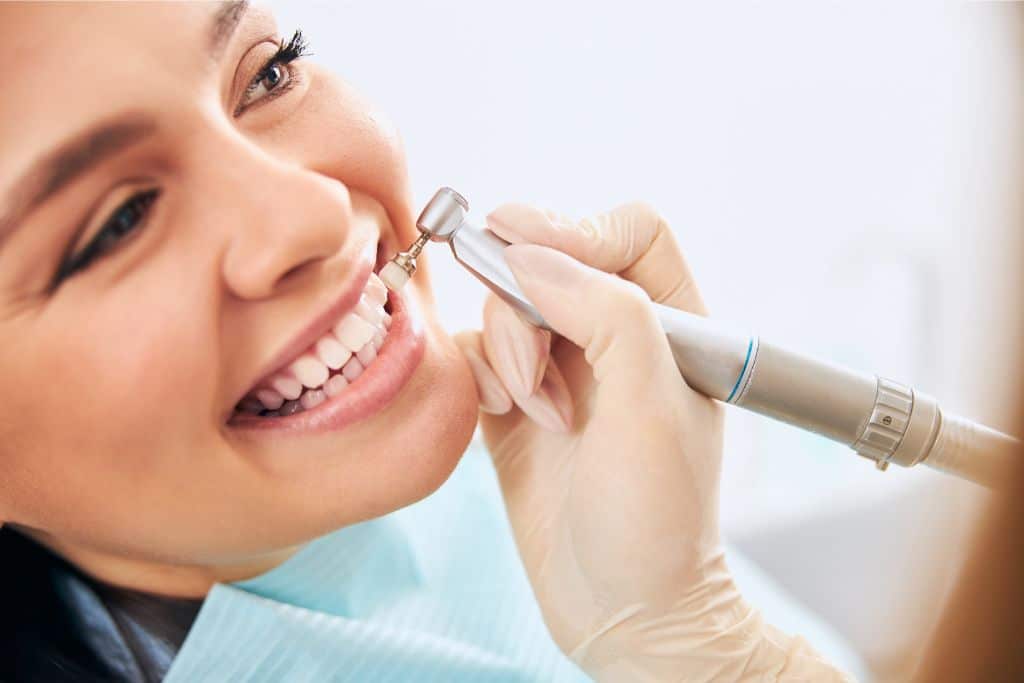
Polishing follows. A gritty paste and a rotating brush smooth the tooth surface, lift residual surface stains, and leave teeth feeling clean rather than rough.
A floss pass then clears anything remaining between the teeth, and the appointment usually finishes with a fluoride treatment, which helps re-mineralise enamel and protect against cavities for the following months.
If you would like a fuller walkthrough of each stage, we have covered the process in detail in our guide to professional teeth cleaning, and you can see how it fits into our broader teeth cleaning and hygiene services.
“Patients are often surprised at how straightforward a professional clean is. Once they understand what each step is actually doing, whether that’s scaling, polishing or the fluoride treatment at the end, most of the anxiety disappears. Our focus is always on making the process comfortable first.” Dr Bashar Humadi, Hamilton Dental Centre
Plaque vs Tartar: The Difference That Matters
Plaque and tartar get used interchangeably by a lot of people, but they are not the same substance, and the difference explains why at-home care has a ceiling.
Plaque is a soft, sticky film of bacteria that forms on your teeth constantly, usually within hours of eating or drinking. It is genuinely removable with a toothbrush and floss, provided you reach it before it sets.
Tartar, also called calculus, is what plaque becomes once it is left in place for roughly 24 to 72 hours. Minerals in your saliva combine with the plaque and harden it onto the tooth surface. Once that happens, no amount of brushing will shift it. Tartar has a rough, porous texture that actually attracts more plaque, which is part of why buildup accelerates once it starts.
The practical takeaway is straightforward: plaque removal is a job for your toothbrush, and tartar removal is a job for a dental hygienist with proper scaling instruments. Trying to scrape tartar off yourself, with a metal tool bought online for example, risks damaging enamel and gum tissue, so this is not a do-it-yourself task.
Why At-Home Care Isn’t Enough on Its Own
Good dental hygiene at home is essential, but it has structural limitations that professional cleaning is specifically designed to address.
A toothbrush cannot reach every surface effectively. The area just below the gumline and the tight contact points between teeth are notoriously difficult to clean thoroughly, even with excellent technique. Most people also miss spots without realising it; studies on brushing habits consistently show that people overestimate how well they clean their own teeth.
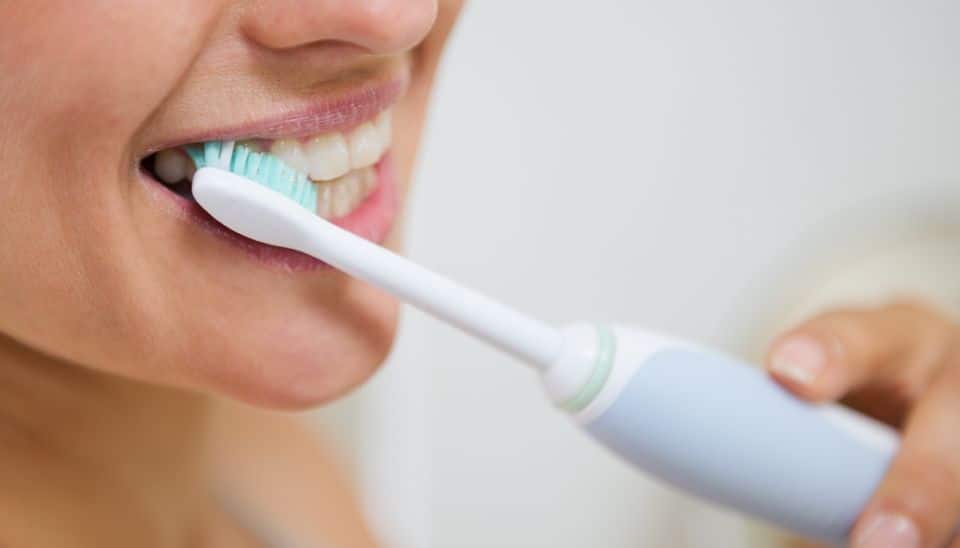
Once plaque has hardened into tartar, brushing harder or longer will not remove it. This is the single biggest reason at-home care cannot fully substitute for professional cleaning. Tartar buildup below the gumline is also invisible to you, and it is precisely this hidden buildup that drives gum disease.
There is also an early-warning function that home care cannot replicate. A hygienist will spot the first signs of gum inflammation, receding gums, or decay long before you would notice or feel anything yourself. That screening role is a core part of diagnostics and prevention at any well-run dental practice.
How Often Do You Need Professional Cleaning?
For most people with reasonably good oral health, a professional clean every six months, so around once or twice a year, strikes the right balance between prevention and practicality.
That said, frequency is not one-size-fits-all. Some situations call for more regular visits:
- A history of gum disease or periodontitis
- Visible tartar buildup between scheduled visits
- Smoking, which accelerates plaque and tartar formation
- Certain medical conditions, including diabetes, which affect gum health
- Orthodontic treatment, where brackets and wires trap extra plaque
- Pregnancy, during which hormonal changes increase gum sensitivity
If you notice a persistent rough or fuzzy feeling on your teeth that brushing cannot shift, that is usually a sign tartar has already formed and a visit is due, regardless of when your last appointment was.
The Benefits of Regular Professional Cleaning
The case for keeping up with professional cleaning goes beyond a smoother, shinier smile, although that is a welcome side effect.
Removing plaque and tartar before they cause damage is significantly cheaper and less invasive than treating the problems they create. Regular cleaning reduces the likelihood of cavities, since a build-up of bacteria and acid is what drives tooth decay in the first place. It slows or halts the progression of gum disease, which left unchecked can lead to gum recession, bone loss, and eventually loose teeth. Fresh, clean teeth also reduce persistent bad breath caused by bacterial buildup, and a hygienist visit doubles as an early screening opportunity for issues that are far easier to treat when caught early.
There is a wider health angle here too. Oral health is linked to broader systemic conditions, including heart disease, diabetes, and even complications during pregnancy, which is one reason our diagnostics and prevention approach treats the mouth as part of overall health rather than in isolation.
“Great dentist and hygienist. I come regularly and recommend to everyone!” Hannah Moulden, May 2026
Preventing Gum Disease Through Professional Cleaning
Gum disease develops in stages, and professional cleaning is the main tool for interrupting that process before it advances.
It typically starts as gingivitis, where plaque and tartar along the gumline cause inflammation, redness, and bleeding when you brush. At this stage, gingivitis is reversible with proper cleaning and improved home care. Left untreated, it can progress to periodontitis, where the infection moves below the gumline, breaks down the tissue and bone anchoring your teeth, and can eventually cause tooth loss.
Because tartar buildup below the gumline is the primary driver of this progression, and because that tartar cannot be removed at home, regular professional cleaning is one of the most effective preventive steps available. We go into more detail on identifying and treating gum disease in our dedicated blog post on the topic.
“The earlier we catch inflammation along the gumline, the simpler it is to treat, and in most cases we can reverse it before it ever becomes periodontitis. That’s really the whole philosophy behind regular hygienist visits. It’s far easier to prevent gum disease than to treat the damage it leaves behind.” Dr David Blom, Hamilton Dental Centre
“I can’t recommend Hamilton Dental Clinic highly enough. Dave is an outstanding dentist, incredibly professional, approachable, and genuinely caring. He always takes the time to explain everything clearly and makes each visit comfortable and stress-free. I’ve been very pleased with the results every time I’ve been there. A fantastic team and excellent service all around!” Ben VD Nest, February 2026
Fresh Breath and Aesthetic Benefits
Persistent bad breath, known clinically as halitosis, is frequently caused by bacteria trapped in plaque and tartar, particularly along the back of the tongue and around the gumline. Removing that buildup during a professional clean often has an immediate, noticeable effect on breath freshness that mouthwash alone cannot replicate, since mouthwash masks odour rather than removing its source.
There is also an aesthetic dimension. Professional cleaning removes surface stains from coffee, tea, red wine, and tobacco, leaving teeth visibly cleaner and smoother. It is worth noting that this is different from teeth whitening, which changes the underlying shade of the tooth rather than removing surface buildup. We have written specifically about that distinction in teeth whitening vs teeth cleaning: understanding the difference, which is worth a read if brightness rather than cleanliness is your main goal.
Fluoride Treatments and Sealants
Most professional cleaning appointments finish with a fluoride treatment. Fluoride helps re-mineralise areas of enamel that have started to weaken, making teeth more resistant to the acid produced by bacteria, and its protective effect typically lasts a few months when combined with good home care.
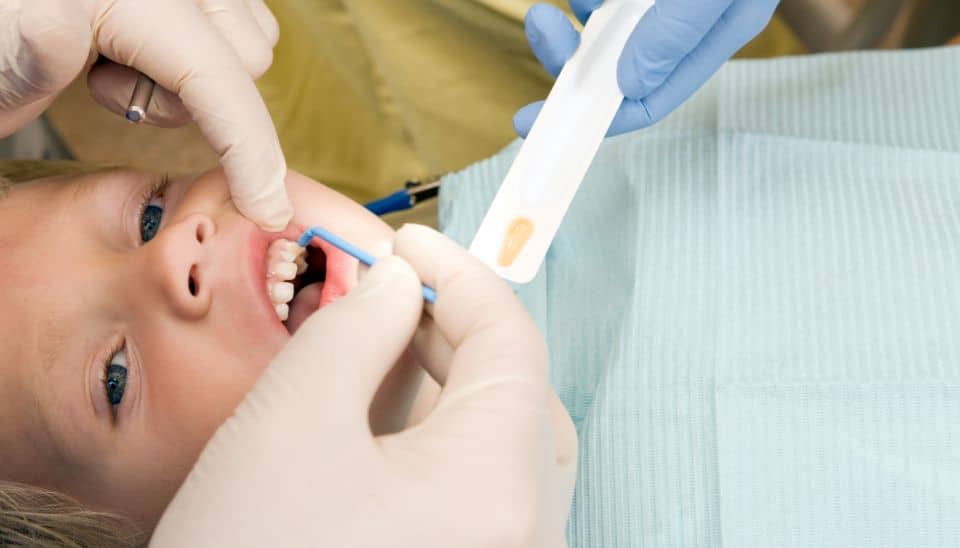
Dental sealants work on a related but different principle. Rather than strengthening the enamel itself, sealants are a thin protective coating applied to the chewing surfaces of back teeth, where deep grooves make brushing especially difficult. They physically block food and bacteria from settling into those grooves and are commonly recommended for children and teenagers, though adults with deep-grooved molars can benefit too.
Both fluoride and sealants are preventive measures in the truest sense: they reduce the chance of needing restorative treatment later, which fits squarely within a broader diagnostics and prevention approach to dental care.
Cost-Benefit: Prevention vs Treatment
It is worth being direct about the financial logic here, because it is one of the clearest arguments for staying on top of professional cleaning.
A routine professional clean is a relatively modest, predictable cost. Skipping cleanings, by contrast, allows plaque and tartar to progress into problems that are considerably more expensive and invasive to treat: fillings for cavities, deep cleaning or root planing for advanced tartar buildup and early gum disease, and in more serious cases, root canals or tooth extractions where decay or infection has progressed too far.
Beyond the direct dollar cost, treatment for advanced problems typically means more appointments, more recovery time, and a higher chance of discomfort during the procedure itself. Prevention, in almost every case, costs less time, less money, and less discomfort than treatment.
Aftercare: Maintaining Your Results at Home
A professional clean gives you a genuine reset, but what you do in the weeks that follow determines how long that clean feeling lasts.

The core habits are simple and well established: brush twice a day for two minutes with a soft-bristle brush and fluoride toothpaste, floss once daily (ideally before bed, since this is when saliva flow drops and bacteria have the most opportunity to do damage overnight), and use an antibacterial or fluoride mouthwash if your hygienist has recommended one. It also helps to limit sugary and acidic foods and drinks, which accelerate both plaque formation and enamel erosion, and to replace your toothbrush every three months or as soon as the bristles start to fray.
None of this replaces the need for your next professional appointment. Rather, it is what keeps the interval between appointments as clean and low-risk as possible.
Hamilton Dental Centre’s Cleaning Services
At Hamilton Dental Centre, professional teeth cleaning and hygiene treatments are a core part of our general dentistry, delivered by an experienced team who focus on making the process comfortable, thorough, and genuinely pain-free wherever possible.
A standard appointment runs up to 45 minutes and covers the full scaling, polishing, flossing, and fluoride process described earlier in this guide. Our team will also flag anything that needs closer attention from a dentist, and this ties directly into our wider diagnostics and prevention services, which use both time-tested methods and modern diagnostic technology to catch issues early, when they are simplest and cheapest to treat.
We also offer interest-free payment plans, so cost does not need to be a barrier to keeping up with the preventive care your teeth and gums need.
“What we try to build here is a relationship, not just a series of appointments. When a patient sees the same hygienist and dentist twice a year, we get to know their mouth, their history, and what’s normal for them, so we catch changes far sooner.” Dr David Blom, Hamilton Dental Centre
“Excellent service! The staff are all so lovely. They go above and beyond and make you feel so well looked after. Thanks team.” Devin Suffield, July 2025
Schedule Your Professional Cleaning
If it has been more than six to twelve months since your last professional clean, or if you have noticed rough patches, tartar buildup, or bleeding gums, now is a good time to book. Prevention is consistently simpler, cheaper, and more comfortable than treatment.
Request an appointment with Hamilton Dental Centre today and let our team take care of the plaque and tartar your toothbrush cannot reach.
Frequently Asked Questions
Can at-home care fully replace professional teeth cleaning?
No. At-home brushing and flossing manage daily plaque, but they cannot remove tartar once it has hardened onto the tooth surface. Professional cleaning and at-home care are complementary, not interchangeable.
What does prophylaxis mean in dentistry?
Prophylaxis is the clinical term for a professional teeth cleaning. It refers to the preventive removal of plaque, tartar, and surface stains to reduce the risk of cavities and gum disease before they develop.
Is professional teeth cleaning covered by ACC in New Zealand?
ACC generally covers dental treatment related to accidental injury, rather than routine preventive care like teeth cleaning. If your visit relates to an injury, our team can talk you through an ACC dentist consultation. For routine hygiene visits, standard clinic pricing applies.
What is the difference between a regular clean and a deep clean?
A regular clean, or prophylaxis, addresses plaque and tartar above the gumline. A deep clean, also called scaling and root planing, treats buildup that has progressed below the gumline, usually where early gum disease is present, and may require more than one appointment.
Will my teeth feel different straight after a professional cleaning?
Yes. Most people notice their teeth feel smoother and their mouth feels fresher immediately afterwards. Mild gum sensitivity for a day or two is normal, particularly if there was significant tartar buildup, and this typically settles within a week.
How do I know if I need a professional clean more often than twice a year?
Signs include visible tartar, bleeding or swollen gums, persistent bad breath, or a history of gum disease. Your dentist or hygienist can recommend a personalised schedule based on your oral health and risk factors.

Site map
Services
Contact Us
T: 07 854 8905
E: info@thehdc.co.nz
3/111 Thomas Road,
Rototuna, Hamilton
copyright © 2025 Hamilton Dental Centre | Credit Terms | Web development by Digital Hothouse