
Wisdom teeth removal is a very common part of the teenage and young adult years, but as a parent, it can still feel daunting. Understanding why wisdom teeth cause problems, what the extraction and recovery involve, and how Hamilton Dental Centre manages pain and risk can make the whole process much less stressful for you and your child.
Wisdom teeth removal for parents
- Wisdom teeth are the last molars to appear and often do not have enough room to come through properly, which can lead to pain, infection, damage to other teeth and the need for removal.
- Teens and young adults usually recover well from wisdom tooth extraction when parents support good aftercare, including rest, soft foods, pain control and protecting the blood clot in the socket.
- Hamilton Dental Centre offers careful assessment, pain-free dentistry options and clear guidance for parents, backed by a dedicated wisdom teeth service page and a library of supporting articles on procedure, recovery, food choices and dry socket prevention.
What are wisdom teeth, and why do they need removal?
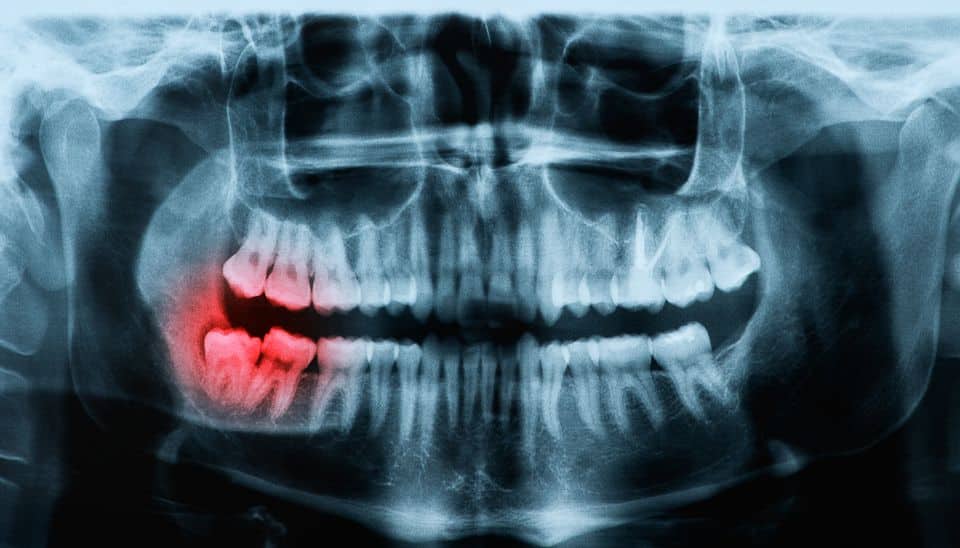
Wisdom teeth are the third molars at the very back of the mouth. Most people develop up to four wisdom teeth, usually appearing between ages 17 and 25, though they can cause issues earlier if they are impacted under the gum or against neighbouring teeth.
In many modern jaws, there simply is not enough space for these teeth to erupt in a healthy position. When that happens, they can:
- Push against the second molars and damage them
- Become partially erupted and trap food and bacteria under a flap of gum
- Remain impacted in the bone and form cysts or contribute to crowding
These problems can lead to pain, repeated infection, decay that is difficult to treat, and sometimes swelling of the face or jaw. For this reason, dentists often recommend proactive removal of problematic or high-risk wisdom teeth in the late teens or early twenties when the roots are not fully formed, and the bone is more flexible, making surgery and healing easier for your child.
For a deeper dive into why wisdom teeth so often need removal, parents can also read our article on impacted wisdom teeth or learn more through our Wisdom Teeth service page.
Signs your child may need wisdom teeth removed
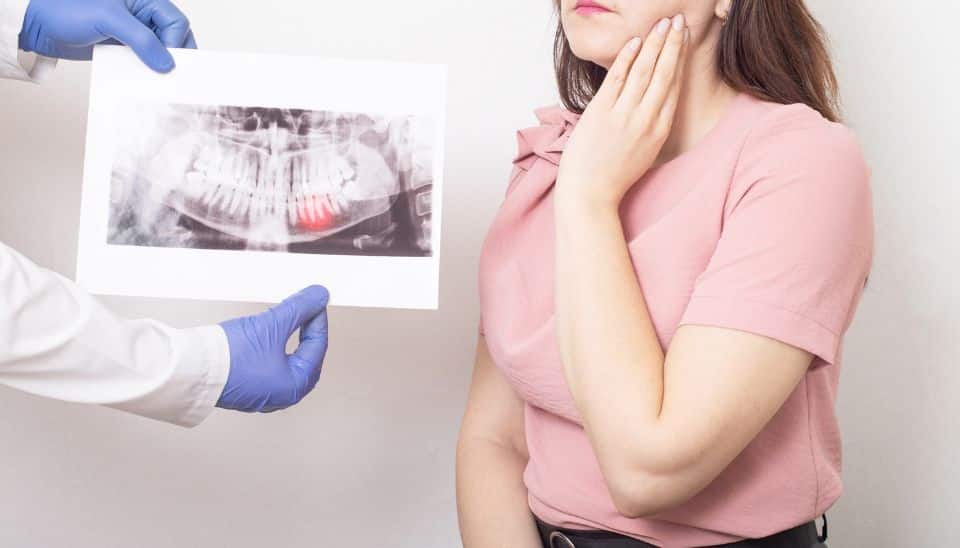
Wisdom tooth problems can creep up slowly or flare very suddenly. Common signs that your teen or young adult may need their wisdom teeth assessed include:
- Pain or tenderness at the back of the jaw behind the last molars
- Swollen, red or bleeding gums around a partially erupted wisdom tooth
- Bad breath or a bad taste that keeps returning from that area
- Difficulty opening the mouth fully or pain when chewing at the back
- Headaches or jaw ache that seems to originate near the back molars
- Crowding or shifting of teeth after orthodontic treatment
Sometimes the only sign is what your dentist sees on X-rays. Wisdom teeth that are angled towards the second molars, sitting very close to nerves, or developing cysts can all be recommended for pre-emptive removal even before symptoms become constant.
We have a dedicated article on the top 5 signs your wisdom teeth need to be removed and a helpful Q&A in Wisdom teeth: your questions answered, if you want to compare what your child is experiencing with typical patterns.
The extraction procedure for teens and young adults
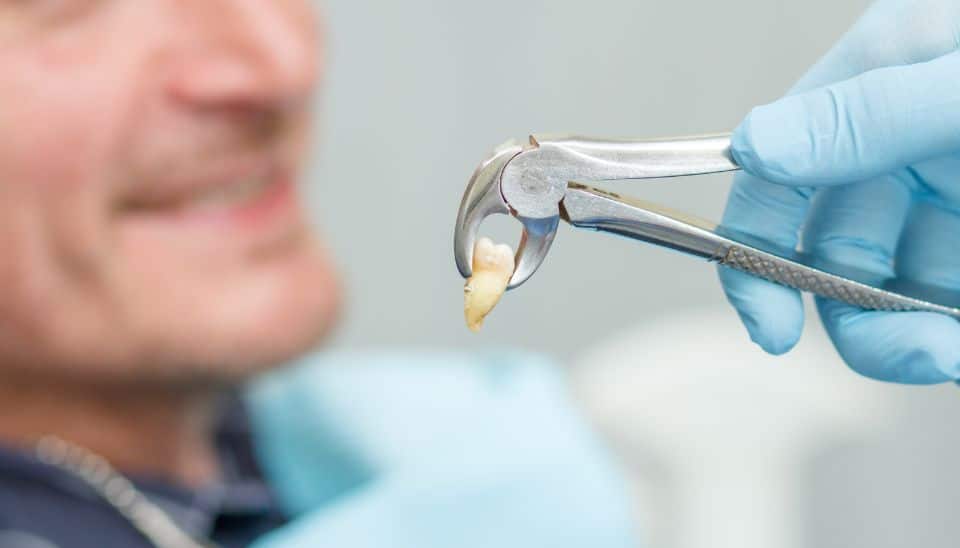
For most healthy teens and young adults, wisdom tooth extraction is a planned day procedure. At Hamilton Dental Centre, it starts with a thorough consultation that includes:
- Clinical examination of your child’s teeth and gums
- Panoramic or 3D X-rays to assess root shape, tooth position and nearby nerves or sinuses
- A discussion of options for anaesthesia and pain-free dentistry, from local anaesthetic to sedation or referral for hospital-based general anaesthesia for very complex cases
On the day of surgery, the procedure usually follows these steps:
- The chosen anaesthetic is given so your child is comfortable and relaxed.
- The dentist or oral surgeon gently opens the gum over the tooth.
- Some bone around the tooth may be removed, and the tooth is often divided into smaller pieces to allow removal through a small opening.
- The area is thoroughly cleaned, and the socket is checked.
- Dissolving stitches are often placed to bring the gum edges together and protect the area.
Straightforward extractions of fully erupted wisdom teeth can be much simpler and faster, sometimes similar to a standard tooth removal. More complex impacted wisdom teeth take longer and require a more precise surgical technique.
For a parent-friendly walkthrough of the process, see the practice’s detailed article on the wisdom teeth removal procedure and recovery, which complements this overview.
Aftercare tips for parents

Your role after surgery is crucial. Good aftercare significantly lowers the risk of complications and makes your child’s experience smoother. Key tips include:
- Stay with your child for the first 24 hours to monitor pain, bleeding and drowsiness if sedation was used.
- Help them keep their head elevated on pillows to reduce swelling.
- Ensure they bite gently on the gauze pads provided for the first hour or two to control bleeding, changing them as directed.
- Encourage plenty of fluids, starting with small sips of water once the numbness begins to wear off.
- Prepare soft, cool foods such as yoghurt, smoothies, mashed potato, scrambled eggs and soups that have cooled to lukewarm.
We have a full guide to foods you should eat after wisdom teeth removal that many parents screenshot or print off ahead of time, so the pantry and fridge are ready before surgery day.
You should also help your child avoid:
- Drinking through straws
- Smoking or vaping
- Spitting forcefully or vigorous rinsing in the first 24 hours
- Hot drinks or crunchy foods that could disturb the clot or stitches
These small actions protect the healing site and prevent the painful complications most parents worry about.
Recovery timeline and managing discomfort
Recovery from wisdom teeth surgery is usually measured in days rather than weeks, but there are typical phases you can expect:
- First 24 hours: Bleeding gradually slows, numbness wears off, and swelling begins to develop. Mild to moderate pain is common and is usually well controlled with prescribed or recommended pain relief. Your child should rest and avoid busy activities.
- Days 2 to 3: Swelling often peaks around day 2, then begins to reduce. Bruising on the cheeks or jaw is possible, especially after more complex surgery. Pain should start to ease. Soft diet continues.
- Days 4 to 7: Most teenagers begin to feel much more comfortable. Many return to school, university or light work by this stage, as long as their job is not physically demanding. Gentle saltwater rinses are usually started around day 2 or 3 to keep the area clean, following the dentist’s instructions.
- Week 2 and beyond: The sockets continue to fill in, and gum tissue tightens. Stitches dissolve or are removed as advised. Normal eating gradually resumes.
Throughout this time, pain relief is adjusted according to the dentist’s advice. Cold packs for the first couple of days, and then warmth can help with muscle stiffness. For an in-depth, step-by-step recovery guide, parents can also review Wisdom teeth removal procedure and recovery.
Preventing complications (dry socket, infection)
Two of the most discussed wisdom teeth complications are dry socket and infection. Knowing what they are and how to help your child avoid them is very reassuring.
A dry socket happens when the blood clot that should form in the extraction site is dislodged or dissolves too soon. This exposes bone and nerves and can cause significant pain a few days after surgery, often accompanied by an unpleasant smell or taste. Smoking, drinking through straws, vigorous rinsing, and poor oral hygiene raise the risk.
Infection can develop if food and bacteria accumulate in the area or if your child does not follow cleaning instructions. Signs include increasing pain after an initial improvement, swelling, fever or difficulty opening the mouth.
The good news is that both dry socket and most infections are preventable. Check out our dedicated guide on how to avoid dry socket after wisdom teeth removal, which parents can use alongside the discharge instructions. Emphasise to your teen that:
- They must not smoke or vape during the early healing phase.
- Gentle saltwater rinses are important once allowed, but vigorous swishing is not.
- Pain that suddenly worsens after a few days, or swelling that increases rather than decreases, must be reported.
The team will always give you clear parameters about what is normal and when to call.
Cost and insurance coverage
The cost of wisdom tooth removal varies depending on:
- How many teeth are extracted
- Whether they are erupted or impacted
- Whether the surgery is done under local anaesthetic in the chair or with sedation or general anaesthetic
- The complexity of bone removal and tooth sectioning
At Hamilton Dental Centre, you will receive a detailed estimate before treatment, including any costs for X-rays, sedation options and follow-up visits. The Wisdom Teeth service page acts as the central hub for information and is the page that all the more detailed wisdom tooth articles link back to.
Health insurance policies in New Zealand vary widely. Some cover part of surgical wisdom tooth removal, especially if it is done by an oral surgeon or under hospital care, while others focus more on accident-related treatment or have limited dental benefits. It is always worth contacting your insurer with the written quote and X-ray report so they can confirm what, if anything, is covered for your child.
If you do not have insurance, payment plans or staged treatment may be available. The practice team can talk through practical options so you are not left guessing about the financial side.
Wisdom teeth assessment
If your teenager is starting to complain about pain in the back of the mouth, or if you have been told their wisdom teeth are impacted or crowded, the safest next step is a proper assessment. Early, planned wisdom teeth removal is usually easier and more comfortable than waiting for a weekend emergency.
At Hamilton Dental Centre, we offer a comprehensive wisdom teeth assessment that includes a clinical exam, appropriate X-rays and a clear explanation of whether removal is recommended, what the procedure will involve, and how you can best support your child through recovery. You can explore the main Wisdom Teeth service page for an overview, and then dive into supporting resources like:
- Wisdom teeth removal procedure and recovery
- Foods you should eat after wisdom teeth removal
- Top 5 signs your wisdom teeth need to be removed
- Wisdom teeth questions answered
- Impacted wisdom teeth
- How to avoid dry socket after wisdom teeth removal
To give your child the best chance of a smooth, pain-controlled experience, contact Hamilton Dental Centre today to book a wisdom teeth assessment.
FAQs: Wisdom teeth removal for parents
What age is best for wisdom teeth removal?
Most dentists recommend assessing wisdom teeth in the mid to late teens. Removal in the late teens or early twenties is often ideal because roots are not fully formed and bone is more flexible, which can make surgery easier and recovery quicker.
Does everyone need their wisdom teeth removed?
No. Some people have enough space and well positioned wisdom teeth that can be monitored and kept clean. Removal is usually recommended when there is pain, decay, infection, cysts, damage to nearby teeth or a high risk of future problems.
How long will my child be off school or work?
Many teens and young adults take 2 to 3 days off for straightforward surgery, sometimes a little longer if several impacted teeth are removed. Most can return to normal study or light duties within a week, but sports and very physical work may need to wait until the dentist gives the all clear.
Will my child be in a lot of pain?
Some discomfort and swelling are normal, particularly in the first few days. With modern anaesthesia, pain relief and good aftercare, most young people describe the pain as manageable and steadily improving, rather than unbearable. If pain suddenly worsens, it is important to contact the practice.
Can wisdom teeth removal affect my child’s face shape or other teeth?
Removing wisdom teeth should not negatively affect face shape. In fact, by removing impacted or infected third molars, you may be protecting the health and position of the second molars and reducing the risk of crowding or decay in that area. Your dentist will discuss any specific risks that apply to your child before you decide on treatment.

Site map
Services
Contact Us
T: 07 854 8905
E: info@thehdc.co.nz
3/111 Thomas Road,
Rototuna, Hamilton
copyright © 2025 Hamilton Dental Centre | Credit Terms | Web development by Digital Hothouse